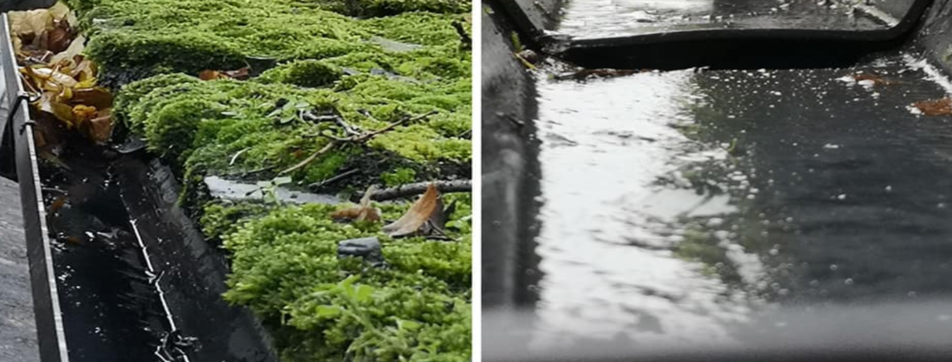
Tag: DIY

  • How to Prepare Your Home for Pressure Washing

    How to Prepare Your Home for Pressure Washing

    We all know that over time, patios, driveways, composite decking, and other exterior surfaces can attract a build-up of dirt and grime. Apart from your home not looking its best, these build-ups can contribute towards a danger zone and can cause irreversible damage to your property. 

    This guide will help you prepare your home for a professional pressure washing service. By following these steps, you can make sure the clean you’ve been waiting for, runs as smoothly as possible.

    Key Takeaways

    • Assess your home’s exterior to identify areas that need attention
    • Check for loose or damaged materials that may require repair
    • Clear the area around your home, removing outdoor furniture and decor
    • Protect delicate surfaces, such as windows, plants, and landscaping
    • Prepare your home for a thorough, safe, and effective pressure washing

    Assessing Your Home’s Exterior

    Take a close look at your home’s exterior, checking windows and framework, brickwork and render, and any other areas that may need additional attention before pressure washing takes place. Unsure if what you find is a concern? Let us know and we will be more than happy to help. Just remember, these careful check-ups help you get ready for pressure washing and can stop further damage.

    Identifying Areas That Need Attention

    Start by taking a look at your home exterior closely. Look for signs of wear and tear, damage, or loose parts that need fixing before washing. Focus on areas often hit by the weather, like the roof, gutters, trim etc.

    Don’t Risk Slippy Surfaces! Get a Free Pressure Washing Quote Today.
    Get Your Free Quote Now

    Checking for Loose or Damaged Materials

    While inspecting for damage to your home’s exterior, keep an eye out for loose or damaged parts. This includes cracked paint, missing siding, or loose trim. Spotting these problem areas early lets you protect them during washing.

    Doing a thorough home exterior assessment before pressure washing prepares you and ensures the cleaning runs smoothly.

    How to Prepare Your Home for Pressure Washing

    Getting your home ready for pressure washing is key to a safe and successful clean. By focusing on a few important areas, you can reduce the risk of damage. This ensures the best results for your home.

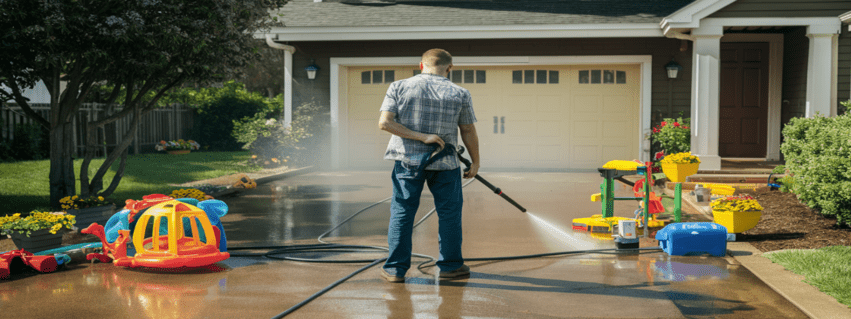
    First, clear the area around your home. Remove outdoor furniture, decorations, or other items that could get damaged. Keep these items in a safe place until the cleaning is done. Move all plant pots, children’s toys, gardening equipment, tables, chairs, and anything else that is in the area that you are having cleaned.

    Then, protect delicate surfaces on your home’s exterior. This includes windows, light fixtures, electrical outlets, and areas with cracked or damaged materials. Use tarps or plastic sheeting to cover these spots from the pressure washing.

    1. Look for any areas that need extra care. This might be stains, mildew, or tough buildup that needs pre-treatment or scrubbing before washing.
    2. Check for loose or damaged materials like cracked siding or missing roof tiles. Contact us to see if you need to fix these before pressure washing.
    3. Clear away leaves, twigs, or dirt that could be blown away by the high-pressure water and cause damage.
    Step Description
    1. Clear the Area Remove outdoor furniture, decorations, and other items that could be damaged by pressure washing.
    2. Protect Delicate Surfaces Cover windows, light fixtures, electrical outlets, and other vulnerable areas with protective coverings.
    3. Identify Problem Areas Inspect for stains, mildew, or other issues that may require pre-treatment or additional attention.
    4. Check for Damage Examine your home’s exterior for loose or damaged materials and make any necessary repairs.
    5. Clear Debris Remove leaves, twigs, dirt, and other items that could be propelled by the pressure washing.

    By preparing your home for pressure washing, you ensure a safe and effective clean. This protects your property and reduces the risk of damage.

    a patio with gardening tools, table, chairs

    Clearing the Area Around Your Home

    Getting your home ready for pressure washing is more than just moving a few things around. It’s vital to completely clear the area first for safety and efficiency. As mentioned, this means removing outdoor furniture, plants, and other items that could get damaged or block the way. This makes the area safe and easy for the pressure washing team to work and is key in preparing for the dream clean.

    Protecting Delicate Surfaces

    When pressure washing your home’s exterior, it’s key to protect delicate surfaces. This includes windows, doors, and landscaping that could get damaged by the high-pressure water. Make sure to cover or shield these areas to keep them safe.

    Here are some tips to protect delicate surfaces while pressure washing:

    • Identify and cover all windows, doors, and other glass surfaces where necessary to prevent them from being scratched or shattered by the high-pressure water.
    • Use tarpaulins or plastic sheeting to shield any landscaping, such as plants, shrubs, or flower beds, that could be damaged by the pressure washing.
    • Protect any outdoor light fixtures, electrical outlets, or other sensitive areas by covering them with weatherproof materials.
    • Ensure that any areas with loose or damaged materials, such as siding or trim, are properly secured or repaired before pressure washing.

    By following these steps, you can keep your home’s delicate surfaces safe. This helps ensure a successful and safe pressure-washing experience.

    Delicate Surface Recommended Protection
    Windows Cover with plastic sheeting or tarpaulin
    Doors Cover with plastic sheeting or tarpaulin
    Landscaping Cover with a tarpaulin or move plants/shrubs to a protected area
    Outdoor Lighting Cover with weatherproof materials
    Loose or Damaged Materials Repair or secure before pressure washing

    Conclusion

    Getting your home ready for pressure washing is key to a safe and effective clean. Start by checking your home’s exterior and clearing the area around it. First, look at your home’s exterior and see what needs extra care.

    Remove all outdoor furniture and decorations. It’s also vital to cover delicate surfaces like windows to protect them from the strong water pressure. By doing these steps, you’re setting your home up for a smooth pressure wash.

    FAQ

    What should I do before a pressure washing service arrives?

    Before the pressure washing team comes, clear the area around your home. Remove outdoor furniture, plants, decorations, and other items that could obstruct the job. Identify and protect delicate surfaces like windows, doors, and landscaping from the high-pressure water.

    How do I protect delicate surfaces during the pressure-washing process?

    To protect delicate surfaces, cover or shield them from the high-pressure water. Tape or cover windows, doors, and other sensitive areas to prevent damage.

    What should I look for when assessing my home’s exterior before pressure washing?

    Inspect your home’s exterior for signs of wear, damage, or loose materials on the siding, windows, trim, and other areas. This helps you know what areas need extra care or protection during pressure washing.

    How can I ensure the pressure washing service is effective and safe?

    To make sure pressure washing is effective and safe, you should prepare your home’s exterior. Clear the area, protect delicate surfaces, and fix any problem spots. This lets technicians work well without any obstruction.

    What are the key steps to getting my home ready for pressure washing?

    The main steps to prepare your home for pressure washing are: 1. Check your home’s exterior for areas needing attention or protection. 2. Clear the area by removing outdoor furniture, decor, and other items. 3. Protect delicate surfaces like windows, doors, and landscaping from damage. 4. Fix any problem spots or loose materials for safer cleaning.

  • Can Clogged Gutters Cause Ceiling Leaks

    Can Clogged Gutters Cause Ceiling Leaks

    Our homes are meant to be a place of comfort and security. But can clogged gutters cause ceiling leaks? Surprisingly, this seemingly minor issue can lead to unexpected problems, including water damage that affects your roof and ceilings, damaging your peace of mind, and damaging your pockets.

    That’s exactly what blocked gutters can do. They may seem like a small unimportant part of your house, but not looking after them can lead to a major headache, a literal one, in the form of a ceiling leak

    This article will look at the surprising connection between blocked gutters and ceiling leaks. We’ll look at how gutters work, what causes them to get clogged, and the domino effect that leads to water damage in your home.

    We’ll also look at other problems clogged gutters can create, but more importantly, we will show you how you can prevent these issues with regular gutter maintenance.

    Your Guttering

    Before we dive into the trouble clogged gutters can bring, its important to understand what their role is. Imagine a heavy downpour. Without gutters, all the rain would stream down the roof, sit and create puddles around the foundation of your housr. Gutters act as a drainage system, collecting and channeling rainwater away from your home.

    Your guttering system consist of two main parts:

    • The gutter: This is the horizontal trough that runs along the edge of your roof, catching the rainwater as it flows off the roof.
    • The downpipe: This is the vertical pipe that carries the collected water from the gutter and channels it safely away from your foundation, often into a drain.

    Your gutters work to protect your home in a few ways. They channel rainwater away from your house, and prevent soil erosion. Gutters also protect your paint-work from water splashing which can lead to peeling and damage to your brickwork. Another important thing your gutters do is help reduce erosion around the foundation, which can overtime, weaken your homes structure.

    You may also like: How to tell when you need to clean your gutters

    What Clogs Your Gutters?

    Now that we understand the importance of the gutters on your house, let’s look at the things that can prevent them from doing their job properly

    Over time, various things can gather in your gutters, this creates blockages that can hinder the water flow and eventually cause more damage if you don’t get them cleaned out. We can clean your gutters with suction power, so if you suspect yours are blocked, contact us for a free quote.

    Common things that can block your guttering include:

    Leaves
    Autumn is a prime time for clogged gutters, as falling leaves accumulate in the gutter troughs.

    Twigs and Branches
    Overhanging trees can add to the problem by shedding leaves, twigs, and even small branches.

    Roof Shingles
    Worn or damaged roof shingles can deteriorate and wash down into the gutters, bits of felf or bits of roof tiles can also break and end up in the gutter, adding to the issue.

    Dirt and Dust
    Windblown dust and debris can also find their way into gutters.

    Seeds and Nuts
    If you have trees nearby that produce seeds or nuts, these can also find their way into your gutters

    Don’t Risk Water Damage! Get a Free Gutter Cleaning Quote Today.
    Get Your Free Quote Now

    image of blocked gutter on a house

    The Domino Effect of Neglected Gutters

    So, what exactly happens when your gutters become blocked up and clogged? Imagine a heavy rainstorm. The water cascading down the roof hits the overflowing gutter and has nowhere to go. This overflow creates a domino effect and can cause many unwanted problems

    With nowhere to go, the water starts overflowing the sides of the gutters, this overflowing water can back up under the roof shingles and can then seep through the roof deck and eventually into your attic, bedrooms or bathrooms.

    This is a perfect example of how what once was just a small problem like clogged gutters can lead to a major issue – a downpour of water into your home damaging your walls, ceilings, carpets and what ever sits in its track.

    The Ripple Effect of Clogged Gutters

    While ceiling leaks are certainly something you don’t want, clogged gutters can cause even more damage to your home.

    Stagnant water trapped under the shingles creates a breeding ground for mold and mildew growth. This can lead to rot and weaken the roof structure.

    Water leakage from the roof can cause unattractive stains and damage to your walls and ceilings, this not only affects the aesthetics of your home but can also create a breeding ground for mold growth.

    The fascia boards are the horizontal boards under the eaves. Constant exposure to overflowing water can cause the soffit and fascia boards to rot and deteriorate, compromising their aesthetic and structural integrity.

    Another serious concern is that if water enters your home as a result of clogged gutters, it could easily come into contact with your house electric, creating a serious threat of fire danger that could have catastrophic concenquences.

    You may also like: Can clogged gutters lead to leaks

    Prevention and Maintaining Your Gutters

    The good news is that these problems are largely preventable with proper gutter maintenance. Here are some things you can do to help keep your gutters flowing freely and prevent the domino effect that leads to the above leaks and damage.

    The most important step is regular gutter cleaning. In an ideal world, you should have your gutters cleaned once a year, preferably in Autumn after the leaves have fallen from the trees.

    If you live in an area with a lot of trees, you may need to clean them more frequently. Unsure if they need cleaning, drop us a message and we will check them out.

    leaves in house gutter

    Tips for DIY Gutter Cleaning:

    1. Always use a sturdy ladder and have someone foot the ladder.
    2. Make sure you wear gloves to protect your hands and eye protection to avoid bit getting in your eyes.
    3. Use a gutter scoop or trowel to remove leaves, twigs, and other debris.
    4. If you have trees with branches overhanging your roof, consider trimming them back regularly. This will minimize the amount of leaves and debris that fall into your gutters

    When to Call in the Professionals

    DIY gutter cleaning is a great way to save money, but there are times when it would be more advisable to get the help of experienced professionals.

    If you feel in anyway uncomfortable or unsafe, never attempt to clean your own gutters. Simply call a professional, their combination of expertise and safety equipment can give you peace of mind and keep you safe from any chance of an accident.

    Also, complex roof designs or obstructions like trees or hedges can make reaching your gutters difficult without the proper equipment, so keep this in mind

    If your gutters are already badly clogged or show signs of damage, a professional can assess the situation and recommend to you the best course of action and the best way forward, this can help you prevent further damage to your gutters which will save you having to spend money on repairs/replacements.

    Peace of Mind with Regular Maintenance

    By taking note of the points mentioned in this article and include them into your home maintenance routine, you can make sure that your gutters are working properly and protect your home from damage.

    As mentioned, a little effort and planning today can save you from a lot of headaches and potentially expensive repairs down the road.

    Signs of Clogged Gutters

    Here are some telltale signs that your gutters might be clogged and require cleaning:

    • Visible Overflow: Overflowing gutters during rainfall, it’s a clear sign that your gutters are blocked.
    • Water Stains: Streaks or stains on your outside walls can indicate water overflowing from clogged gutters.
    • Mosquitoes: Clogged gutters with stagnant water can become breeding grounds for mosquitoes, keep an eye out.
    • Pooling Water Around the base of your house: Standing water around your foundation can be a sign that your gutters are not channeling water away as they are meant to.
    • Sagging Gutters: Gutters that are full of water can become heavy and start to sag or pull away from the fascia board.

    Conclusion

    You may not think it, but keeping your gutters clean and working properly is a critical part of homeownership. By understanding the importance of gutters, the problems clogged gutters can cause, and the simple steps you can take to prevent them, you can help make sure that your home remains well-protected from the damaged mentioned in this article.

    Remember, a proactive approach to gutter maintenance can save you from a lot of trouble, money, and headaches in the long run.

    Taking Action for a Healthy Home

    Schedule regular gutter cleaning or consider professional services so that you can keep your gutters are flowing freely.

    By prioritising gutter maintenance, you’ll be taking a proactive step towards protecting your home, your wallet, your peace of mind, and your family.

    How we can help: If you need help with making sure your gutters are safe and working as they should, we offer professional gutter maintenance services including multi-level cleaning, thorough inspections, and debris removal. Contact us today on 07899 581 999 or send us a message to schedule an appointment and enjoy a peaceful mind knowing your gutters are in good hands.

    We offer gutter cleaning services throughout BurnleySkiptonClitheroe,Colne