Category: pressure washing

  • Pressure Washing a Block Paved Driveway in Barrowford

    Pressure Washing a Block Paved Driveway in Barrowford

    We recently carried out a pressure washing job in the village of Barrowford, Lancashire — and it’s a perfect example of how careful planning, professional equipment, and a tidy approach can completely transform a space.
     
    Here’s a behind-the-scenes look at what we did, what we used, and how we made sure the customer got exactly what they were hoping for, with no mess, no stress, and top results.

    The Job Brief

    Our customer in Barrowford had a block paved driveway and composite fencing that had seen better days.

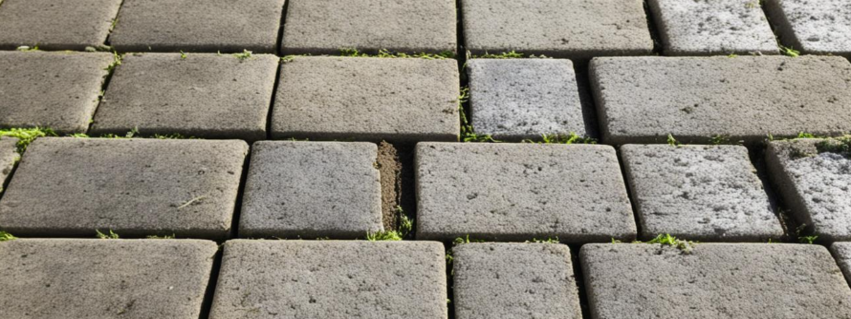
    weeds-and-leaves-on-a-blockpaved-driveway-in-barrowford-e1750364494940

    Moss and weeds had taken root between the joints, not just unsightly, but a sign that deeper treatment was needed.

    There was visible moss, weeds, and algae growth, and the homeowner was keen to find someone who could use chemical treatments safely and professionally.

    His goal was simple: a clean finish, done right, with minimal disruption and maximum care.

    Our Approach: Careful Planning & The Right Tools

    Before starting any job, we always assess the condition and any potential risks. In this case, the main concerns were:

    • Drainage on the driveway
    • Making sure nearby passersby weren’t affected during the clean

    We decided on a two-part approach:

    • Soft washing the composite fencing (gentle but effective)
    • Pressure washing the driveway with a biocide treatment, followed by re-sanding

    Tools Used

    We always invest in top-quality equipment to ensure safe, efficient, and long-lasting results. For this Barrowford job, we selected tools and treatments suited specifically to the surfaces we were cleaning:

    • Professional-grade pressure washer:
      Our industrial-grade pressure washer delivers powerful, controlled cleaning without damaging delicate surfaces. It’s ideal for block paving, allowing us to lift stubborn dirt, moss, and weeds while preserving the integrity of the jointing sand.
    • Chemical soft wash box for fencing:
      Composite fencing requires a gentler approach. Our soft wash system applies eco-safe cleaning solutions at low pressure, killing algae and organic buildup without risking any surface damage or discoloration.
    • Biocide application:
      After cleaning, we applied a professional-grade biocide treatment to inhibit regrowth of moss, algae, and lichen. This not only keeps the surfaces cleaner for longer, but also helps extend the time between maintenance cleans.
    professional pressure washing machine 1

    Honda GX390 21lpm Pressure Washer

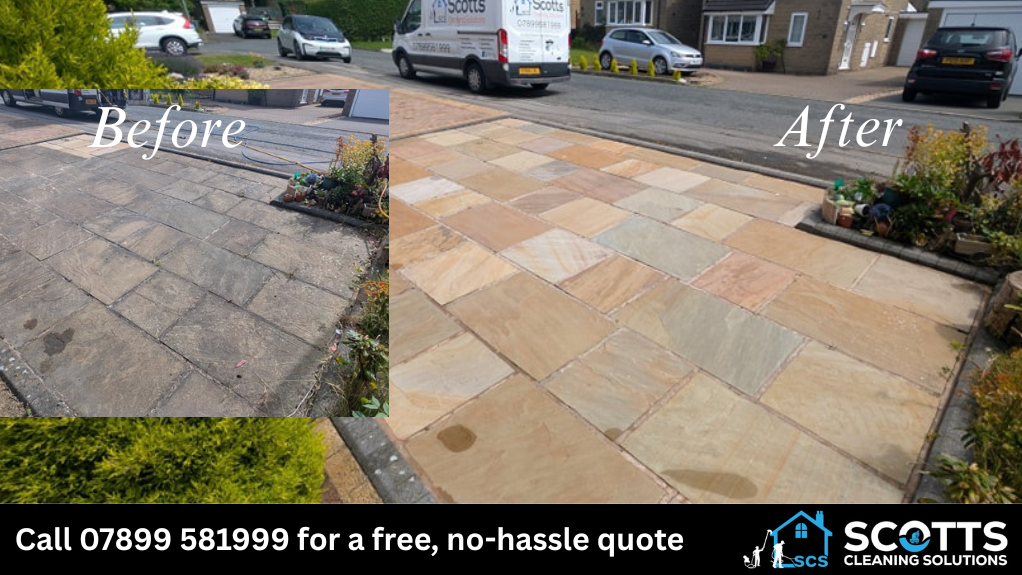
    before and after pressure washing block paving in barrowford

    Pressure Washing in Barrowford – Before & After

    The Process

    The full clean took just under 4 hours.

    • Started with a pre-treatment of the fencing
    • Carefully cleaned the block paving using controlled pressure
    • Applied biocide to prevent future moss and algae
    • Re-sanded the block paving joints for a tidy finish

    Everything was done with minimal mess, and we took care to leave the surrounding area just as we found it.

    Thinking about freshening up your outdoor space? Get in touch today for a free, no-obligation quote

    The Results

    Once the soft wash and pressure clean were complete, followed by biocide application and careful resanding, the transformation was clear.

    What was once a weathered, moss-covered driveway and fence now looked fresh, sharp, and well cared for. The customer was delighted with the finish and impressed at how the space had been completely lifted without a trace of mess left behind.

    Below are a few before-and-after shots from the job that speak for themselves.

    before and after pressure washing block paving in barrowford
    before and after pressure washing block paving in barrowford

    Customer Feedback

    ⭐⭐⭐⭐⭐

    “I found Alex to be very professional and hugely knowledgeable. He went out of his way to explain exactly what he would be doing and why, along with the aftercare tips. To top it all, he provides great value for money. I’d highly recommend his services.”

    Why This Job Mattered

    Pressure washing might sound simple, but without the right know-how, it’s easy to cause more harm than good.

    This Barrowford job highlights how much of a difference experience makes:

    • ✔ Choosing the right pressure levels
    • ✔ Knowing when to use chemicals (and how)
    • ✔ Understanding surface types and drainage risks
    • ✔ Delivering a neat, lasting finish with zero disruption

    Thinking About Pressure Washing in Barrowford or Nearby?

    If your driveway or fencing is looking worse for wear, a professional clean can make a world of difference, not just to how it looks, but how long it lasts.

    We serve Barrowford and the surrounding Lancashire area, from Burnley to Clitheroe and beyond.

    Ready for your own transformation? Get in touch here for a free quote

    How We Can Help: If your driveway or patio needs a deep clean, we offer professional pressure washing services to remove dirt, weeds, moss, and stains. 

    We ensure a safe and effective clean without causing damage. Contact us today on 07899 581 999 or send us a message to book your service and restore your tarmac’s appearance.

    We offer pressure washing services throughout BurnleySkiptonClitheroeColne and surrounding areas

  • Can You Pressure Wash Tarmac

    Can You Pressure Wash Tarmac

    Pressure washing your patio can deliver amazing results, restore its appearance, create a safer environment, and improve your outdoor space.

    But what if your driveway isn’t made of patio slabs? What happens when you want to pressure wash a completely different surface?

    In this article, we’ll explore whether it’s possible, safe, and advisable to pressure wash a tarmac surface.

    Lets begin.

    Understanding Tarmac Composition

    Before we dive into the details, its important to understand the composition of tarmac. Tarmac consists primarily of a mixture of aggregates, like crushed stone or gravel, bound together with bitumen.

    The crushed stones give the tarmac its strengths for heavy loads, whilst the bitumen agent serves as a waterproofing agent. This waterproofing prevents water infiltration that can lead to cracks and deterioration.

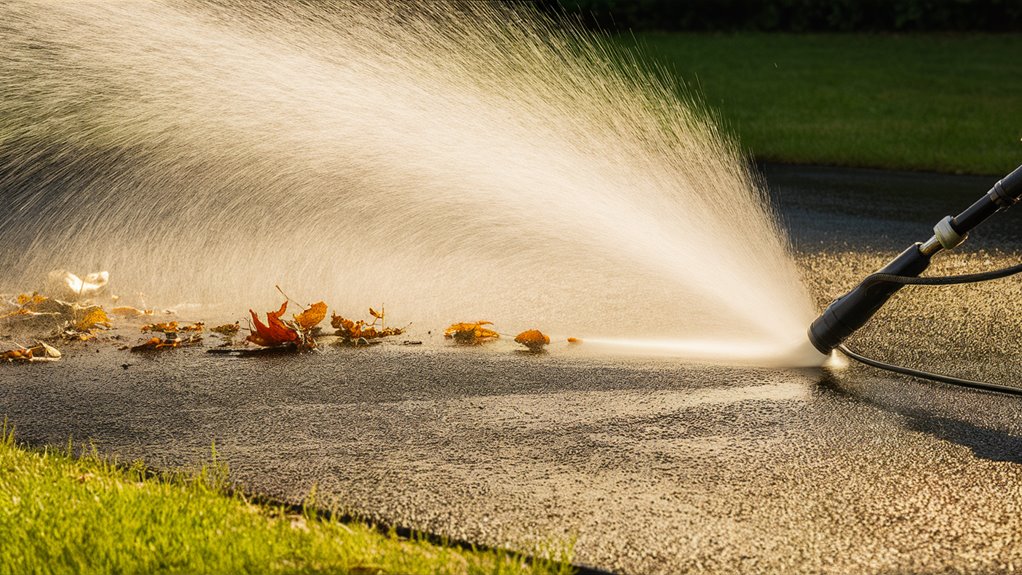
    can you pressure wash tarmac pie chart

    This being said, exposure to UV rays and harsh elements can overtime degrade this protective layer, making regular maintenance imperative. Regular pressure washing services can help preserve the integrity of the tarmac surface.

    When working with any tarmac surface, pay particular attention to its color and condition as any changes can indicate underlying issues. For instance, if the surface becomes brittle or begins to fade, it might need repairs and a sealant application.

    Benefits of Pressure Washing

    One of the main benefits of pressure washing is its ability to remove dirt, grime, and stains that accumulate over time. This not only improves the appearance of your tarmac but also prevents deterioration that could require costly repairs later down the line.

    Regular maintenance through pressure washing can also prevent damage from harmful elements, extending the lifespan of your tarmac.

    Another key advantage is the efficiency of pressure washing. With high-pressure water jets, you can clean large areas quickly, saving you time and effort compared to traditional cleaning methods.

    Here’s a quick overview of the benefits:

    Benefit Description Impact
    Aesthetic Improvement Restores the original look of tarmac Increases property value
    Time Efficiency Cleans large areas quickly Saves labor costs
    Safety Improvement Removes slippery substances Reduces accident risks

    Risks of Pressure Washing Tarmac

    While pressure washing can be a great way to clean surfaces, using it on tarmac does come with risks. Tarmac is a softer material than concrete or paving slabs, making it more vulnerable to damage from high-pressure water. Too much force can loosen stones, break the surface, or even cause cracks.

    Another risk is water infiltration. If there are any weak spots or cracks, high-pressure water can seep in, weakening the base and leading to further damage over time. This can result in potholes or uneven surfaces, especially in older tarmac.

    Using the wrong nozzle or pressure setting can also strip away the top layer of the tarmac, leaving it rough and more likely to wear down faster. This not only affects its appearance but can also make it more prone to further damage from weather and everyday use.

    To avoid these risks, it’s important to use low pressure, the right cleaning technique, and a gentle detergent and consult with professional cleaning operators if you are unsure as they will be able to provide expert guidance on safe practices.

    Steps to Safe Pressure Washing Techniques

    Now that you understand the composition of tarmac plus the benefits and risks, it’s important to employ safe techniques to protect both the surface and yourself whilst carrying out the clean.

    Safe & Effective Tarmac Cleaning! Book Your Free Estimate Now

    Here are some key steps to perform a safe, effective clean:

    Wear Protective Gear

    Always wear safety goggles, gloves, and sturdy footwear to protect yourself from debris and any chemical cleaners you might use.

    Choose the Right Pressure Setting

    Use a lower pressure setting, typically around 1500-2000 PSI, to avoid damaging the tarmac. Higher pressures can cause cracks and surface degradation.

    Use a Fan Spray Nozzle

    Opt for a fan spray nozzle instead of a narrow jet. This spreads the pressure evenly and prevents concentrated force on a single spot.

    Maintain a Safe Distance

    Keep the nozzle at least 12 inches away from the tarmac surface. This distance helps reduce the risk of damaging the material while still effectively cleaning.

    Rinse and Allow to Dry

    After washing, rinse thoroughly and let the tarmac dry completely to assess the results and ensure no damage has occurred.

    Alternative Cleaning Methods

    If you are looking for other ways to clean your tarmac without relying on pressure washing, there are several alternatives.

    One way is using a broom or stiff brush with soapy water. This allows you to scrub away dirt and grime without damaging the surface. Mix a mild detergent with warm water, apply it to the tarmac, and then scrub vigorously.

    Another is using a leaf blower. This is quick and can help prevent dirt build-up before it becomes a bigger issue. For tougher stains consider using a degreaser specifically designed for tarmac, apply it directly to the stain, let it sit for a while, and then scrub it away.

    If you prefer a more natural solution, vinegar and baking soda can work wonders. Sprinkle baking soda on the stain, spray vinegar over it, let it fizz, and then scrub the area clean.

    Maintenance Tips for Tarmac

    By following a few simple steps, you can extend your tarmac lifespan and maintain its appearance. Here’s a few maintenance tips you can follow:

    1. Regular Cleaning: Sweep away debris, leaves, and dirt regularly. This prevents stains and keeps your tarmac looking fresh.
    2. Inspect for Damage: Check for cracks or potholes. Addressing these issues early can prevent further deterioration and costly repairs later.
    3. Sealcoat Application: Apply a sealcoat every couple of years. This protective layer improves durability and shields against oil spills and UV damage.
    4. Avoid Heavy Loads: Keep heavy vehicles off your tarmac when possible. Excess weight can lead to ruts and cracks, compromising its integrity.

    Conclusion

    So yes, in effect you can pressure wash tarmac, but it’s important you follow some simple rules.

    Stick to lower pressure settings, use a fan spray nozzle to protect the surface, remember to maintain a safe distance, and wear protective gear.

    By following these tips, you can keep your tarmac looking great and dramatically extend its lifespan.

    How We Can Help: If your tarmac driveway or surface needs a deep clean, we offer professional pressure washing services to remove dirt, moss, and stains. Our expert team ensure a safe and effective clean without causing damage. Contact us today on 07899 581 999 or send us a message to book your service and restore your tarmac’s appearance.

    We offer pressure washing services throughout BurnleySkiptonClitheroeColne and surrounding areas

  • Best Way to Clean Composite Decking

    Best Way to Clean Composite Decking

    Owning your own home comes with many advantages, but it also comes with many responsibilities. Maintaining your composite decking is one of them. The best way to clean composite decking is by pressure washing. Pressure washing is an effective way to remove dirt and stains from your garden decking.

    This powerful cleaning technique can bring back the beauty of your composite decking, increase its lifespan, and create a safe, welcoming area for your family and friends.

    In this article, we’ll explore the ins and outs of pressure washing decking. We’ll cover the unique properties of the materials, important steps to take before starting, and a detailed walkthrough of the pressure washing procedure.

    Need Your Decking Cleaning? Get Your Free Quote Now

    By following these expert tips and techniques, you can achieve professional-level results without the need for extensive scrubbing or harsh chemicals, making maintenance, not a walk in the park, but a whole lot easier.

    Materials & Benefits

    Composite decking is a modern alternative to traditional wood decking, offering a blend of durability and aesthetics. Lets take a closer look:

    • Material Composition: Typically made from a blend of wood fibres and recycled plastic, offering the best of both worlds.
    • Durability and Longevity: Resistant to rot, decay, insects, and fading making it a long-lasting choice that can have a lifespan of 20-30 years if looked after.
    • Weather Resistance: Can withstand harsh weather conditions.
    • Low Maintenance: Requires minimal upkeep – a simple cleaning with soap and water is all it needs. 
    • Aesthetic Appeal: Composite decking is available in a wide range of colors, textures, and styles

    Another great reason for choosing composite decking is that it is often slip-resistant, even when wet, making it a safer choice for outdoor spaces, especially around pools or patios. Also, many composite decking materials incorporate recycled plastic, reducing the demand for new materials and contributing to a more sustainable environment.

    When we look at the combined benefits of composite decking, it becomes more clearer to why it is such a popular choice for garden design.

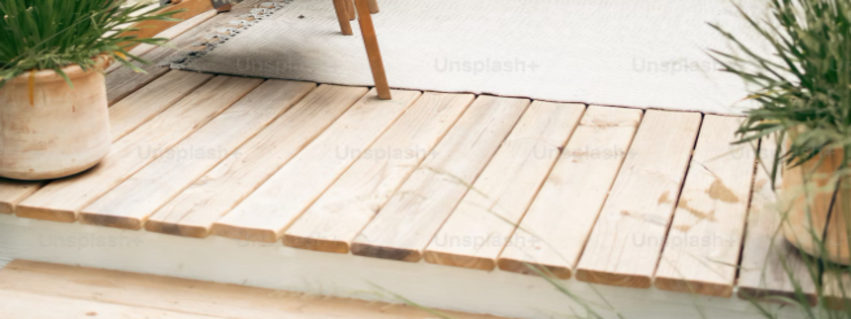
    garden decking

    You may also like: Can you pressure wash block paving?

    Pre-Rinse & Prepping

    Its important to realise at this point that preparation is key if you want to effectively wash and clean your garden decking.

    The first step is to clear the entire deck of furniture and objects that might interfere with the cleaning process. Next, use a broom or leaf blower to sweep away leaves, debris, and any excess dirt.

    Once you’ve cleared your path, it’s time to pre-rinse. Using a garden hose, spray water over the deck to prepare it for the soap. If using a pressure washer, its important you use the correct setting, keep it on the lowest and maintain a distance of at least 8 inches from the deck surface to avoid damage.

    For the cleaning solution, mix warm water with a mild dish soap or use a cleaner specifically designed for composite decking. As always, carefully follow the manufacturer’s instructions. Read more about how you can help prepare your area for pressure washing

    Technique & Tips

    As mentioned above, it’s important that you set the pressure correctly, typically not exceeding 3,100 pounds per square inch. The hose should be angled at 40 to 60 degrees. Before you start, be sure to consult both the power washer’s manual and the composite deck care instructions for specific settings.

    When washing, you should use a “sweeping” motion from left to right, starting from the house and moving towards the far side. This technique ensures thorough cleaning and prevents missed spots.

    Again, the pressure washer nozzle should never be closer than 8 inches from the deck surface to avoid damage. For best results, use a fan tip on the pressure washer. This tip distributes the spray evenly, reducing the risk of surface damage.

    Still unsure? Contact us for a free no-obligation quote

    Conclusion

    Pressure washing is a powerful way to keep your garden decking clean and safe. By understanding the unique properties and following the right steps, you can achieve some fantastic results.

    The best way to clean composite decking involves careful preparation, using the right cleaning solutions, and operating the pressure washer with the correct settings.

    When it’s all said and done, clean garden decking not only looks better but also lasts longer. Regular cleaning helps to prevent the buildup of mold, mildew, and other harmful substances that can shorten the life of your deck.

    By sticking to these guidelines, you can make sure your composite deck stays in top shape for years to come, giving you more time to enjoy your garden and less time worrying about maintenance.

    Thinking about pressure washing in the rain? Learn more

    FAQs

    Can I use a pressure washer on composite decking?

    You should avoid using a pressure washer with a setting higher than 3100 psi, and always keep the nozzle at least 8 inches away from the surface of the decking. High water pressure can cause the decking to splinter and sustain long-term damage.

    What is the most effective method to clean garden decking?

    A good approach is to mix soap with warm water in a ratio similar to what you would use for dishwashing. Use a deck brush to scrub the surface, applying enough pressure to effectively remove any dirt. Composite materials are quite durable and can handle vigorous scrubbing.

    Which nozzle should be used when pressure washing composite decking?

    For cleaning composite decking, you might want to use a 25-degree nozzle for tougher stains or a 40-degree nozzle for less soiled or newer decks. The higher the degree of the nozzle, the gentler the pressure on the decking.

  • Can You Pressure Wash Block Paving?

    Can You Pressure Wash Block Paving?

    Block paving is a popular choice for driveways, patios, and paths, known for its durability and attractive appearance. However, dirt, moss, weeds, and loose materials can gather, creating an unsightly and potentially hazardous surface.

    In this article, we’ll show you the proper techniques and equipment for effective block paving cleaning, so you can get the best results.

    Types of Block Paving

    There are two main types: concrete block paving and clay block paving. Concrete is affordable and lasts a long time. Clay gives a traditional and rustic look. Lets take a look at how each one is made:

    • Concrete block paving is made from cement, sand, and aggregates. It’s strong and lasts a long time. You can choose from a wide choice of colours and patterns.
    • Clay block paving uses natural clay, fired in a kiln for a hard surface. It looks textured and natural, perfect for traditional or heritage-style homes.

    Need Your Block Paving Washing?
    Get Your Free Quote Now

    Advantages of Block Paving

    Block paving offers a variety of benefits for various places. Its versatility, aesthetic appeal, and low maintenance make it a popular choice.

    Concrete and clay blocks are known for their strength and resistance to wear and tear, providing long-lasting performance.

    The wide range of colors, textures, and patterns available allows you to create unique and personalised outdoor spaces, also block paving is relatively easy to maintain requiring simple cleaning and weed control to keep it looking its best.

    The Need for Pressure Washing Block Paving

    If you have block paving, you will know it can get dirty and lose its colour over time. Things like moss and oil stains can cause permanent damage if not cleaned. Regular block paving maintenance and cleaning, is key to keeping it looking great and avoiding long-term problems.

    Pressure washing is a great way to clean block paving. It removes all the dirt and grime that makes the surface look dull and the process brings back the original colour and beauty making sure your outdoor space stays attractive, useful and safe

    shrub on block paving

    Preparing for Pressure Washing Block Paving

    Having a clean-up, protecting surfaces, and Identifying any stains or damage will help you prepare your area for a successful pressure wash. 

    Having a Clean up:

    Clear the area around your block paving to prevent debris from being blown away by the high-pressure water and sweep away any dirt and leaves that could interfere with the cleaning process.

    Protecting the Area:

    We have all heard that preparation is key, so remember to protect delicate surfaces such as plants, windows, and furniture by covering them with tarps or plastic sheeting. This will prevent damage and ensure a clean and safe cleaning experience.

    Identify Stains:

    By identifying any stains, you can help your pressure washing process in advance by knowing things like how much pressure to apply and any treatment that may help in the removal of the stain. 

    • Oil Stains: Dark, greasy patches.
    • Moss or Algae: Green or black patches.
    • Rust Stains: Reddish-brown spots.
    • Black Spots: Algae, mold, or other organic matter.

    By following these steps, you’ll ensure a smooth and effective pressure washing experience.

    For more detailed guidance on preparing your home for pressure washing, visit Learn more about how to prepare your home for pressure washing

    So far:

    Preparation Step Description
    Sweeping Sweep any loose dirt, debris, stones, or other materials from the block paving surface.
    Protect Areas/Objects Use plastic sheeting to help protect flowers, furniture or other delicate areas.
    Stain Identification Carefully inspect the block paving for stubborn stains, such as oil stains.

    The Pressure Washing Process

    Lets look at the steps you want to follow and show you how to do it safely and effectively.

    Step-by-Step Guide

    1. Clear the area of any debris, plants, or objects that could get damaged, sweep it up and put it in the bin
    2. Wear safety gear like goggles, gloves, and strong shoes.
    3. Follow the maker’s instructions to set up your pressure washer. Choose the right pressure and nozzle for your paving.
    4. Start washing the paving with a steady motion, moving from one end to the other
    5. Make sure to rinse well, getting rid of all dirt and grime from the blocks and their joints.
    6. If needed, add sand or grout between the blocks to keep them in place and stop weeds.

    You may also like: Can you pressure wash in the rain?

    Precautions and Safety Measures

    Its important that you take precautions to avoid damage and ensure safety when doing any exterior cleaning, especially when operating machinery and tools. Using the correct pressure setting plays a large part in preventing damage to your garden, also maintaining a safe distance from the surface helps avoid accidental splashes or injuries.

    Take a quick look over the surface you want to clean for loose or damaged blocks beforehand will prevent further deterioration. 

    Check the sand or cement, also known as grout that fills in the space around the block, overtime this can wear away so be sure to pack it back out to help your blocks stay secure and prevent them from wobbling loose.

    By following these steps and safety tips, you’ll master the art of pressure washing your block paving in no time.

    Still unsure? Contact us for a free no-obligation quote

    Conclusion

    Pressure washing is key to keeping your block paving safe and looking great. By using the right techniques and safety steps, you can get rid of dirt, moss, and other unwanted stuff and keep your outdoor area looking its best. Regular cleaning is a smart move that keeps your paving a source of pride for years.

    Pressure washing has many benefits. It will create that “new look” again and stops damaging elements from building up. With clean paving, you get a beautiful outdoor area that boosts your property’s look and makes you feel good!

    Whether you do it yourself or hire a pro, be careful and pay attention to the details. Prepare the area well, spot any stains or issues, and wash with care, this way, you get the best results and a beautiful block paving surface that lasts.

    FAQ

    What is block paving, and what are its main types?

    Block paving, also known as brick paving, is a popular way to make pavements or hardstandings look nice. There are two main types: concrete and clay block paving. Each has its own benefits.

    Why is regular maintenance, including pressure washing, important for block paving?

    Block paving can get dirty and lose its colour over time. Moss, oil stains, and debris can cause damage if not cleaned. Regular cleaning, like pressure washing, keeps it looking new and prevents damage.

    What are the key steps in preparing for pressure washing block paving?

    Sweep away dirt, debris, stones, and other bits to stop them getting thrown up by the pressure washer. Then, spot any oil stains and treat them with a special cleaner before washing.

    Can you safely pressure wash block paving, and what precautions should be taken?

    Pressure washing can clean block paving like a dream, but do it safely. Use the pressure washer at an angle and remove weeds and moss first. Always follow the maker’s instructions and be careful to avoid damage.

    What is the step-by-step process for pressure washing block paving?

    To pressure wash block paving, use a high-pressure water jet to clean off dirt and grime. Clear the area and wear protective gear then use your pressure washer in a steady motion, rinse well, and re-sand/grout the joints if needed.

  • How to Prepare Your Home for Pressure Washing

    How to Prepare Your Home for Pressure Washing

    We all know that over time, patios, driveways, composite decking, and other exterior surfaces can attract a build-up of dirt and grime. Apart from your home not looking its best, these build-ups can contribute towards a danger zone and can cause irreversible damage to your property. 

    This guide will help you prepare your home for a professional pressure washing service. By following these steps, you can make sure the clean you’ve been waiting for, runs as smoothly as possible.

    Key Takeaways

    • Assess your home’s exterior to identify areas that need attention
    • Check for loose or damaged materials that may require repair
    • Clear the area around your home, removing outdoor furniture and decor
    • Protect delicate surfaces, such as windows, plants, and landscaping
    • Prepare your home for a thorough, safe, and effective pressure washing

    Assessing Your Home’s Exterior

    Take a close look at your home’s exterior, checking windows and framework, brickwork and render, and any other areas that may need additional attention before pressure washing takes place. Unsure if what you find is a concern? Let us know and we will be more than happy to help. Just remember, these careful check-ups help you get ready for pressure washing and can stop further damage.

    Identifying Areas That Need Attention

    Start by taking a look at your home exterior closely. Look for signs of wear and tear, damage, or loose parts that need fixing before washing. Focus on areas often hit by the weather, like the roof, gutters, trim etc.

    Don’t Risk Slippy Surfaces! Get a Free Pressure Washing Quote Today.
    Get Your Free Quote Now

    Checking for Loose or Damaged Materials

    While inspecting for damage to your home’s exterior, keep an eye out for loose or damaged parts. This includes cracked paint, missing siding, or loose trim. Spotting these problem areas early lets you protect them during washing.

    Doing a thorough home exterior assessment before pressure washing prepares you and ensures the cleaning runs smoothly.

    How to Prepare Your Home for Pressure Washing

    Getting your home ready for pressure washing is key to a safe and successful clean. By focusing on a few important areas, you can reduce the risk of damage. This ensures the best results for your home.

    First, clear the area around your home. Remove outdoor furniture, decorations, or other items that could get damaged. Keep these items in a safe place until the cleaning is done. Move all plant pots, children’s toys, gardening equipment, tables, chairs, and anything else that is in the area that you are having cleaned.

    Then, protect delicate surfaces on your home’s exterior. This includes windows, light fixtures, electrical outlets, and areas with cracked or damaged materials. Use tarps or plastic sheeting to cover these spots from the pressure washing.

    1. Look for any areas that need extra care. This might be stains, mildew, or tough buildup that needs pre-treatment or scrubbing before washing.
    2. Check for loose or damaged materials like cracked siding or missing roof tiles. Contact us to see if you need to fix these before pressure washing.
    3. Clear away leaves, twigs, or dirt that could be blown away by the high-pressure water and cause damage.
    Step Description
    1. Clear the Area Remove outdoor furniture, decorations, and other items that could be damaged by pressure washing.
    2. Protect Delicate Surfaces Cover windows, light fixtures, electrical outlets, and other vulnerable areas with protective coverings.
    3. Identify Problem Areas Inspect for stains, mildew, or other issues that may require pre-treatment or additional attention.
    4. Check for Damage Examine your home’s exterior for loose or damaged materials and make any necessary repairs.
    5. Clear Debris Remove leaves, twigs, dirt, and other items that could be propelled by the pressure washing.

    By preparing your home for pressure washing, you ensure a safe and effective clean. This protects your property and reduces the risk of damage.

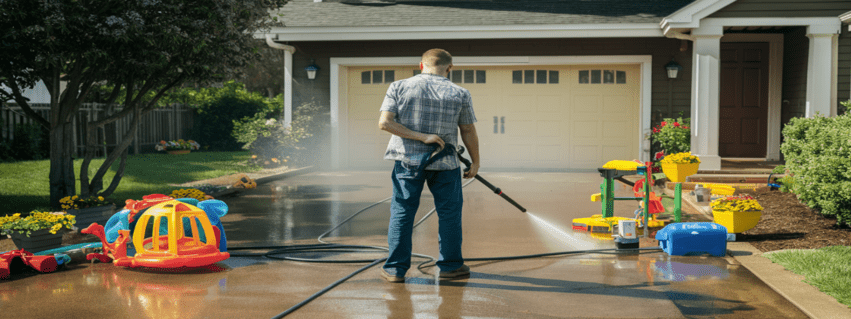
    a patio with gardening tools, table, chairs

    Clearing the Area Around Your Home

    Getting your home ready for pressure washing is more than just moving a few things around. It’s vital to completely clear the area first for safety and efficiency. As mentioned, this means removing outdoor furniture, plants, and other items that could get damaged or block the way. This makes the area safe and easy for the pressure washing team to work and is key in preparing for the dream clean.

    Protecting Delicate Surfaces

    When pressure washing your home’s exterior, it’s key to protect delicate surfaces. This includes windows, doors, and landscaping that could get damaged by the high-pressure water. Make sure to cover or shield these areas to keep them safe.

    Here are some tips to protect delicate surfaces while pressure washing:

    • Identify and cover all windows, doors, and other glass surfaces where necessary to prevent them from being scratched or shattered by the high-pressure water.
    • Use tarpaulins or plastic sheeting to shield any landscaping, such as plants, shrubs, or flower beds, that could be damaged by the pressure washing.
    • Protect any outdoor light fixtures, electrical outlets, or other sensitive areas by covering them with weatherproof materials.
    • Ensure that any areas with loose or damaged materials, such as siding or trim, are properly secured or repaired before pressure washing.

    By following these steps, you can keep your home’s delicate surfaces safe. This helps ensure a successful and safe pressure-washing experience.

    Delicate Surface Recommended Protection
    Windows Cover with plastic sheeting or tarpaulin
    Doors Cover with plastic sheeting or tarpaulin
    Landscaping Cover with a tarpaulin or move plants/shrubs to a protected area
    Outdoor Lighting Cover with weatherproof materials
    Loose or Damaged Materials Repair or secure before pressure washing

    Conclusion

    Getting your home ready for pressure washing is key to a safe and effective clean. Start by checking your home’s exterior and clearing the area around it. First, look at your home’s exterior and see what needs extra care.

    Remove all outdoor furniture and decorations. It’s also vital to cover delicate surfaces like windows to protect them from the strong water pressure. By doing these steps, you’re setting your home up for a smooth pressure wash.

    FAQ

    What should I do before a pressure washing service arrives?

    Before the pressure washing team comes, clear the area around your home. Remove outdoor furniture, plants, decorations, and other items that could obstruct the job. Identify and protect delicate surfaces like windows, doors, and landscaping from the high-pressure water.

    How do I protect delicate surfaces during the pressure-washing process?

    To protect delicate surfaces, cover or shield them from the high-pressure water. Tape or cover windows, doors, and other sensitive areas to prevent damage.

    What should I look for when assessing my home’s exterior before pressure washing?

    Inspect your home’s exterior for signs of wear, damage, or loose materials on the siding, windows, trim, and other areas. This helps you know what areas need extra care or protection during pressure washing.

    How can I ensure the pressure washing service is effective and safe?

    To make sure pressure washing is effective and safe, you should prepare your home’s exterior. Clear the area, protect delicate surfaces, and fix any problem spots. This lets technicians work well without any obstruction.

    What are the key steps to getting my home ready for pressure washing?

    The main steps to prepare your home for pressure washing are: 1. Check your home’s exterior for areas needing attention or protection. 2. Clear the area by removing outdoor furniture, decor, and other items. 3. Protect delicate surfaces like windows, doors, and landscaping from damage. 4. Fix any problem spots or loose materials for safer cleaning.

  • Can you Pressure Wash a Patio in the Rain

    Can you Pressure Wash a Patio in the Rain

    Here in the UK, the weather can be quite unpredictable to say the least, often raining and interrupting our outdoor cleaning plans. The question often comes up: can you pressure wash a patio in the rain?

    While it’s possible, there are important things to think about before you start.

    Pressure washing a patio in the rain can be tricky. The rain can make the cleaning solution less effective and the surface slippery. This could be dangerous for the person washing the patio.

    Even with these challenges, washing a patio in the rain might work if the rain is light and not too heavy. It’s important to be careful. Wear shoes that won’t slip and adjust the washer’s pressure to protect the patio.

    Whether or not to wash your patio in the rain depends on the situation, the patio’s condition, and how comfortable you are with the task.

    Don’t Risk Slippy Surfaces! Get a Free Pressure Washing Quote Today.
    Get Your Free Quote Now

    You may also like: Pressure washing block paving

    Tips on using a Pressure Washer in the Rain

    Pressure washing a patio in the rain might seem odd, but it can work. The rain adds a challenge, but with the right methods, your patio can shine. Here are some tips to help you clean your patio even when it’s wet.

    Tweak your pressure washer’s settings for the wet weather. Lower the water pressure a bit since the rain already adds moisture. Also, choose a wider nozzle to spread the cleaning solution evenly and avoid splashing.

    • Reduce water pressure to account for rain
    • Use a wider nozzle to prevent excessive splashing
    • Apply a suitable cleaning solution to help cut through grime
    • Think about the cleaning solution you’re using too. Pick one made for wet conditions to tackle tough dirt and moss.
    • Always follow the instructions from the manufacturer for the best results.

    Pressure washing your patio in the rain takes a bit more work, but it’s doable. With the right settings and products, you can keep your outdoor space clean. This way, you can enjoy a spotless patio even on rainy days.

    patio after pressure washing in the rain

    Alternative Methods for Cleaning Patios in Rainy Weather

    When it’s raining, a pressure washer might not be the best choice for cleaning your patio. But, there are other ways to keep your outdoor area clean, even when it’s wet.

    Using a scrub brush and mild detergent is a good option. It helps to remove dirt, grime, and moss gently. Make sure to rinse the patio well after cleaning to get rid of any soap.

    Another way is to sweep the patio with a broom and dustpan. This is great for getting rid of loose debris, leaves, and other dirt. It works well when the patio isn’t too wet yet.

    Need a Hand Cleaning Your Patio?
    Give us a Call on 07899 581999

    For tough stains or discoloration, try a special patio cleaner. These products are made to remove hard-to-clean grime and usually don’t need a lot of rinsing. Always follow the instructions from the manufacturer when using these cleaners.

    If you prefer a natural option, a mix of white vinegar and water can clean your patio. The vinegar’s acetic acid helps break down dirt and algae. The water dilutes it enough to be safe to use.

    It’s crucial to clean safely, no matter the method you pick. Wear the right shoes and take breaks to stay comfortable and safe.

    You may also like: Preparing your home for pressure washing

    Conclusion

    While it might not be best for you to pressure wash your patio when it’s raining, there are other ways to keep it clean. You can try hand-scrubbing or using a garden hose. The important thing is to pick the method that fits your needs and the weather.

    Deciding to pressure wash your patio in the rain depends on a few things. These include how bad the weather is, the state of your patio, and what you prefer. By looking at the good and bad points of each method, you can keep your patio clean and in good shape, even when it’s raining.

    Success in patio cleaning comes from being flexible and open to trying new things. By experimenting with different techniques, you can find the best way for your patio and your preferences.

    How we can help: Unsure? We can help can restore your surfaces to their former glory and let you enjoy a safe, clean, and inviting outdoor area, even in the rain! Contact us today on 07899 581 999 or send us a message to schedule an appointment and enjoy a peaceful mind knowing your exterior surfaces are in good hands.

    Come rain or shine, we offer professional pressure washing services throughout BurnleySkiptonClitheroe, & Colne