Tag: home maintenance

  • How to Clean Out Gutter Downspouts

    How to Clean Out Gutter Downspouts

    Clogged downspouts can cause water pools, foundations cracks, and pricey repairs. The fix? Simple maintenance.

    With a few easy steps, you can keep water flowing smoothly and your home protected year-round.

    Let’s get started!

    Importance of Clean Downspouts

    Clean downspouts are essential for maintaining your home’s drainage system. When they’re clogged, water can’t flow properly, leading to pooling around your foundation.

    This can cause serious damage over time, including cracks and structural issues. You don’t want to risk expensive repairs because of something that’s easy to prevent.

    Clean downspouts help direct rainwater away from your home, which can protect your landscaping and prevent soil erosion.

    If water accumulates near your home, it can also attract pests like mosquitoes, potentially leading to an infestation. Keeping your downspouts clear is a simple way to maintain a healthy environment around your property.

    Regular maintenance of your downspouts can enhance the lifespan of your gutters. When debris builds up, it can create excess weight and lead to sagging or detachment.

    Regularly cleaning your downspouts also helps prevent pest infestations, ensuring a more inviting atmosphere around your home.

    Don’t Risk Water Damage! Get a Free Gutter Cleaning Quote Today.
    Get Your Free Quote Now

    Tools Needed for the Job

    To successfully clean your gutter downspouts, you’ll need a few essential tools. First, grab a sturdy ladder that can safely reach your gutters.

    Make certain it’s stable before you climb. You’ll also want a pair of gloves to protect your hands from debris and sharp edges.

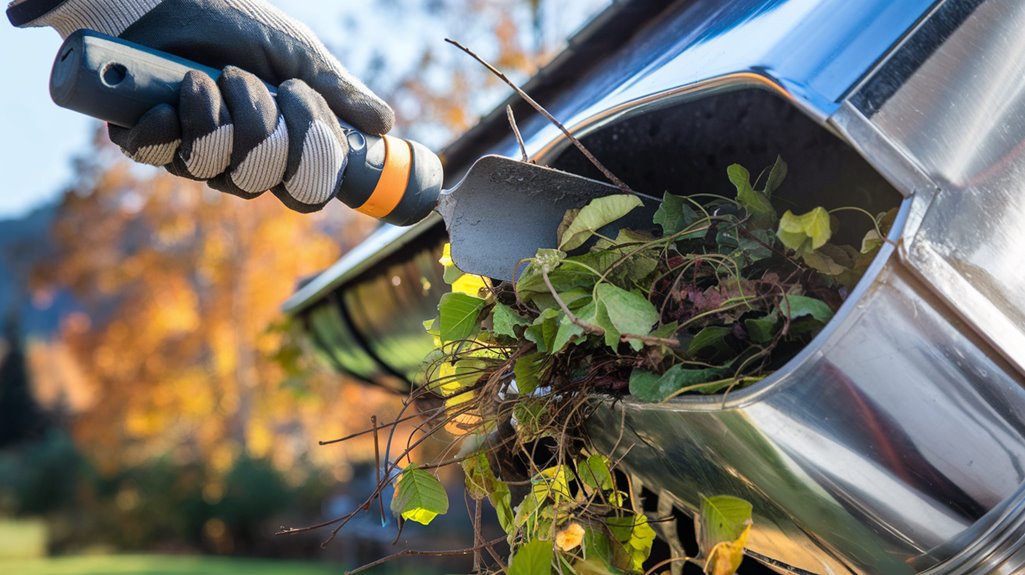
    Have a trowel or scoop handy for removing gunk and leaves from the gutter itself. A bucket or bag can help you collect the waste as you work.

    For the downspouts, a plumber’s snake or a flexible auger is invaluable for dislodging any clogs deep within the pipes. If you encounter stubborn blockages, a garden hose with a spray nozzle can be beneficial. You can use it to flush out debris and guarantee water flows freely.

    For added convenience, a wet/dry vacuum can help suck out dirt and muck from the downspouts. Lastly, consider using a flashlight. It’ll help you see into dark corners and identify where clogs may be hiding. Regular maintenance is crucial to prevent water damage to your home’s foundation and structure.

    With these tools in hand, you’re well-prepared to tackle the job and guarantee your downspouts are clean and functioning properly.

    Safety Precautions to Consider

    Before you start cleaning your gutter downspouts, make certain you prioritize safety. Working at heights and handling tools can be risky, so it’s important to take precautions to protect yourself. Here are a few safety tips to keep in mind:

    • Wear personal protective equipment (PPE): Always use gloves to protect your hands from sharp debris and goggles to shield your eyes from falling material. If you’re using a ladder, consider a hard hat as well.
    • Check your ladder stability: Verify your ladder is on firm ground and that it’s at the proper angle. It’s a good idea to have someone hold the base of the ladder while you climb, providing extra stability.
    • Be aware of your surroundings: Look out for overhead power lines and stay clear of any electrical hazards. Make sure the area below is clear of people and pets before you start working. Additionally, always assess the weather conditions to avoid working in dangerous situations that could compromise your safety.

    Inspecting Your Downspouts

    Inspecting your downspouts is an essential step in maintaining a functional gutter system. Start by checking for any visible damage, such as cracks, dents, or rust. These issues can obstruct water flow and lead to further problems.

    Make certain to look at the connections between the downspouts and the gutters, as these joints can often become loose or blocked.

    Next, observe how water flows through the downspouts during a rainstorm, if possible. If you notice water pooling around the foundation of your home or backing up into the gutters, your downspouts might be clogged or improperly positioned.

    Verify they’re directing water away from your home’s foundation, ideally at least three to four feet away.

    Inspect the downspouts for any signs of pests, such as nests or droppings. Birds or rodents can find these areas inviting, which may lead to blockages.

    If you find any signs of life, you’ll need to handle that promptly. Regular inspections can save you from costly repairs down the line, so make this a part of your seasonal maintenance routine. Keeping your downspouts clear helps to prevent rising damp and other moisture-related issues that can damage your home.

    Your home will thank you for it!

    Removing Debris From Gutters

    When leaves, twigs, and other materials build up, they can block the flow of water, leading to overflowing gutters and potential structural damage.

    Youll want to gather your tools. You’ll need a sturdy ladder, gloves, a scoop or trowel, and a bucket or tarp for debris collection.

    Start at one end of the gutter. Use your hands or a scoop to remove the debris, placing it in your bucket or on the tarp. Clogged gutters can lead to overflowing water that seeps under roof shingles, causing significant damage to your home’s interior.

    Finish by rinsing the gutters with water from a hose to confirm everything’s clear.

    Find out more about extending the life of your gutters

    Clearing the Downspout

    How can you guarantee that your downspouts are clear and functioning properly? Start by inspecting the downspouts for any visible blockages. You’ll want to look for leaves, twigs, or any other debris that may have made its way inside. If you spot something, you can usually remove it with your hands or a small scoop.

    Next, check for bends or kinks in the downspout that could restrict water flow. If you find any, gently straighten them out to guarantee a clear passage.

    If the downspout is still clogged, you might need a plumber’s snake or a similar tool to break up stubborn blockages. Insert the snake into the downspout and twist it to dislodge any debris.

    As you work, be sure to wear gloves to protect your hands from sharp edges or unpleasant materials.

    Once you’ve cleared the downspout, check the area around the base to make sure water drains away from your foundation. Regular maintenance will help prevent future clogs, and keeping an eye on your downspouts guarantees they’ll function properly when heavy rain hits.

    Flushing With Water

    Once you’ve cleared any visible blockages from your downspouts, flushing them with water is an effective next step to confirm they’re completely free of debris. This method not only helps wash away any small particles but also guarantees that water flows smoothly through the system.

    As you flush, keep an eye on the bottom of the downspout. If you notice any water pooling or slow drainage, you may need to repeat the process or investigate further.

    Flushing with water is a straightforward way to maintain your gutter system and prevent future clogs, confirming your home stays protected from water damage.

    Checking for Blockages

    After flushing your downspouts, it’s essential to check for any remaining blockages that could hinder proper drainage.

    Start by visually inspecting the downspouts for any noticeable clogs. Look for debris like leaves, twigs, or dirt that may have settled after the water flush. If you see anything, use a plumber’s snake or a similar tool to dislodge the material.

    Next, run a small amount of water through the downspout again to see if it flows freely. If the water backs up or drains slowly, you likely have a blockage further down the line.

    In this case, you may need to check the horizontal section of the downspout or the connection to the underground drainage system.

    If you’re still facing issues, it may be time to use a wet/dry vacuum to suck out any stubborn debris.

    Remember that regular checks can prevent significant blockages from forming in the first place. Staying on top of this task guarantees your gutters work efficiently, protecting your home from potential water damage.

    Always wear gloves and take safety precautions when working on ladders and near your roof.

    Maintaining Your Downspouts

    Regular maintenance of your downspouts is key to guaranteeing they function effectively. Neglecting them can lead to clogs, overflow, and potential damage to your home’s foundation.

    To keep your downspouts in top shape, follow these simple tips.

    • Inspect regularly: Check your downspouts at least twice a year, especially after heavy rainstorms. Look for signs of blockages or damage, like dents or rust.
    • Clear debris: Remove leaves, twigs, and any other debris that may have accumulated. Use a garden hose to flush out smaller particles and guarantee water flows freely.
    • Check for proper drainage: Make sure your downspouts direct water away from your foundation. You might need to adjust the angle or add extensions to guide water further away from your home.

    When to Call a Professional

    Knowing when to call a professional can save you time and prevent further issues with your downspouts. If you’ve tried cleaning them yourself and still notice persistent clogs or leaks, it’s time to reach out for expert help.

    Professionals have specialized equipment and experience that can tackle tough blockages you mightn’t be able to clear on your own.

    Another reason to call someone in is if you notice water pooling around your foundation or if your downspouts are misaligned. These problems can lead to serious water damage if not addressed promptly.

    Furthermore, if your home is multi-storied or has a steep roof, attempting to clean the downspouts yourself can be dangerous.

    You should also consider hiring a pro if you’re uncomfortable with heights or lack the necessary tools. Regular maintenance is essential, so if you find it challenging to keep up, a professional service can set up a schedule that works for you.

    Frequently Asked Questions

    How Often Should I Clean My Downspouts?

    You should clean your downspouts at least twice a year, ideally in spring and fall. If you live in a tree-heavy area, consider doing it more often to prevent clogs and maintain proper drainage.

    Can I Use a Pressure Washer on Downspouts?

    You can use a pressure washer on downspouts, but be cautious. High pressure could damage them or dislodge connections. It’s best to start with a lower pressure setting and see how it performs first.

    What Weather Conditions Are Best for Cleaning Downspouts?

    You’ll want to clean downspouts during dry weather, ideally when it’s not too hot or cold. Clear skies help you see debris better, making your task easier and more efficient without the risk of slippery surfaces.

    Are There Any Eco-Friendly Cleaning Solutions for Downspouts?

    You can use vinegar and baking soda as eco-friendly solutions to clean downspouts. Combine them for a natural cleaner that helps break down debris without harmful chemicals, keeping both your system and the environment safe.

    What Are the Signs of a Damaged Downspout?

    You’ll notice signs of a damaged downspout if you see water pooling around your foundation, rust or corrosion on the downspout, or if it’s detached from the gutter. Keep an eye out for these issues!

    Conclusion

    Cleaning out your gutter downspouts is essential for maintaining your home’s drainage system and preventing costly water damage. By using the right tools and following safety precautions, you can effectively remove debris and flush out clogs. Regular maintenance, at least twice a year, will keep your downspouts functioning properly. If you encounter persistent blockages or damage, don’t hesitate to call a professional. Taking these steps guarantees your gutters are ready to handle rain and protect your home.

    How we can help: If you need help with making sure your gutters are safe and working as they should, we offer professional gutter maintenance services including multi-level cleaning, thorough inspections, and debris removal. Contact us today on 07899 581 999 or send us a message to schedule an appointment and enjoy a peaceful mind knowing your gutters are in good hands.

    We offer gutter cleaning services throughout BurnleySkiptonClitheroeColne, Preston & Keighley

    Explore our easy-to-use tool to calculate the cost of gutter cleaning for your property

  • Can You Pressure Wash Block Paving?

    Can You Pressure Wash Block Paving?

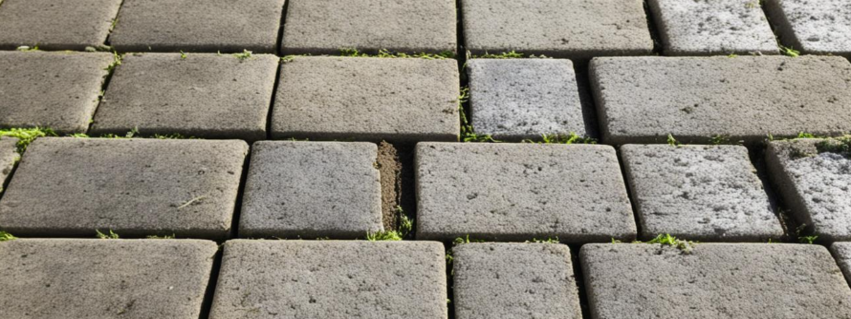
    Block paving is a popular choice for driveways, patios, and paths, known for its durability and attractive appearance. However, dirt, moss, weeds, and loose materials can gather, creating an unsightly and potentially hazardous surface.

    In this article, we’ll show you the proper techniques and equipment for effective block paving cleaning, so you can get the best results.

    Types of Block Paving

    There are two main types: concrete block paving and clay block paving. Concrete is affordable and lasts a long time. Clay gives a traditional and rustic look. Lets take a look at how each one is made:

    • Concrete block paving is made from cement, sand, and aggregates. It’s strong and lasts a long time. You can choose from a wide choice of colours and patterns.
    • Clay block paving uses natural clay, fired in a kiln for a hard surface. It looks textured and natural, perfect for traditional or heritage-style homes.

    Need Your Block Paving Washing?
    Get Your Free Quote Now

    Advantages of Block Paving

    Block paving offers a variety of benefits for various places. Its versatility, aesthetic appeal, and low maintenance make it a popular choice.

    Concrete and clay blocks are known for their strength and resistance to wear and tear, providing long-lasting performance.

    The wide range of colors, textures, and patterns available allows you to create unique and personalised outdoor spaces, also block paving is relatively easy to maintain requiring simple cleaning and weed control to keep it looking its best.

    The Need for Pressure Washing Block Paving

    If you have block paving, you will know it can get dirty and lose its colour over time. Things like moss and oil stains can cause permanent damage if not cleaned. Regular block paving maintenance and cleaning, is key to keeping it looking great and avoiding long-term problems.

    Pressure washing is a great way to clean block paving. It removes all the dirt and grime that makes the surface look dull and the process brings back the original colour and beauty making sure your outdoor space stays attractive, useful and safe

    shrub on block paving

    Preparing for Pressure Washing Block Paving

    Having a clean-up, protecting surfaces, and Identifying any stains or damage will help you prepare your area for a successful pressure wash. 

    Having a Clean up:

    Clear the area around your block paving to prevent debris from being blown away by the high-pressure water and sweep away any dirt and leaves that could interfere with the cleaning process.

    Protecting the Area:

    We have all heard that preparation is key, so remember to protect delicate surfaces such as plants, windows, and furniture by covering them with tarps or plastic sheeting. This will prevent damage and ensure a clean and safe cleaning experience.

    Identify Stains:

    By identifying any stains, you can help your pressure washing process in advance by knowing things like how much pressure to apply and any treatment that may help in the removal of the stain. 

    • Oil Stains: Dark, greasy patches.
    • Moss or Algae: Green or black patches.
    • Rust Stains: Reddish-brown spots.
    • Black Spots: Algae, mold, or other organic matter.

    By following these steps, you’ll ensure a smooth and effective pressure washing experience.

    For more detailed guidance on preparing your home for pressure washing, visit Learn more about how to prepare your home for pressure washing

    So far:

    Preparation Step Description
    Sweeping Sweep any loose dirt, debris, stones, or other materials from the block paving surface.
    Protect Areas/Objects Use plastic sheeting to help protect flowers, furniture or other delicate areas.
    Stain Identification Carefully inspect the block paving for stubborn stains, such as oil stains.

    The Pressure Washing Process

    Lets look at the steps you want to follow and show you how to do it safely and effectively.

    Step-by-Step Guide

    1. Clear the area of any debris, plants, or objects that could get damaged, sweep it up and put it in the bin
    2. Wear safety gear like goggles, gloves, and strong shoes.
    3. Follow the maker’s instructions to set up your pressure washer. Choose the right pressure and nozzle for your paving.
    4. Start washing the paving with a steady motion, moving from one end to the other
    5. Make sure to rinse well, getting rid of all dirt and grime from the blocks and their joints.
    6. If needed, add sand or grout between the blocks to keep them in place and stop weeds.

    You may also like: Can you pressure wash in the rain?

    Precautions and Safety Measures

    Its important that you take precautions to avoid damage and ensure safety when doing any exterior cleaning, especially when operating machinery and tools. Using the correct pressure setting plays a large part in preventing damage to your garden, also maintaining a safe distance from the surface helps avoid accidental splashes or injuries.

    Take a quick look over the surface you want to clean for loose or damaged blocks beforehand will prevent further deterioration. 

    Check the sand or cement, also known as grout that fills in the space around the block, overtime this can wear away so be sure to pack it back out to help your blocks stay secure and prevent them from wobbling loose.

    By following these steps and safety tips, you’ll master the art of pressure washing your block paving in no time.

    Still unsure? Contact us for a free no-obligation quote

    Conclusion

    Pressure washing is key to keeping your block paving safe and looking great. By using the right techniques and safety steps, you can get rid of dirt, moss, and other unwanted stuff and keep your outdoor area looking its best. Regular cleaning is a smart move that keeps your paving a source of pride for years.

    Pressure washing has many benefits. It will create that “new look” again and stops damaging elements from building up. With clean paving, you get a beautiful outdoor area that boosts your property’s look and makes you feel good!

    Whether you do it yourself or hire a pro, be careful and pay attention to the details. Prepare the area well, spot any stains or issues, and wash with care, this way, you get the best results and a beautiful block paving surface that lasts.

    FAQ

    What is block paving, and what are its main types?

    Block paving, also known as brick paving, is a popular way to make pavements or hardstandings look nice. There are two main types: concrete and clay block paving. Each has its own benefits.

    Why is regular maintenance, including pressure washing, important for block paving?

    Block paving can get dirty and lose its colour over time. Moss, oil stains, and debris can cause damage if not cleaned. Regular cleaning, like pressure washing, keeps it looking new and prevents damage.

    What are the key steps in preparing for pressure washing block paving?

    Sweep away dirt, debris, stones, and other bits to stop them getting thrown up by the pressure washer. Then, spot any oil stains and treat them with a special cleaner before washing.

    Can you safely pressure wash block paving, and what precautions should be taken?

    Pressure washing can clean block paving like a dream, but do it safely. Use the pressure washer at an angle and remove weeds and moss first. Always follow the maker’s instructions and be careful to avoid damage.

    What is the step-by-step process for pressure washing block paving?

    To pressure wash block paving, use a high-pressure water jet to clean off dirt and grime. Clear the area and wear protective gear then use your pressure washer in a steady motion, rinse well, and re-sand/grout the joints if needed.

  • Can Clogged Gutters Cause Ceiling Leaks

    Can Clogged Gutters Cause Ceiling Leaks

    Our homes are meant to be a place of comfort and security. But can clogged gutters cause ceiling leaks? Surprisingly, this seemingly minor issue can lead to unexpected problems, including water damage that affects your roof and ceilings, damaging your peace of mind, and damaging your pockets.

    That’s exactly what blocked gutters can do. They may seem like a small unimportant part of your house, but not looking after them can lead to a major headache, a literal one, in the form of a ceiling leak

    This article will look at the surprising connection between blocked gutters and ceiling leaks. We’ll look at how gutters work, what causes them to get clogged, and the domino effect that leads to water damage in your home.

    We’ll also look at other problems clogged gutters can create, but more importantly, we will show you how you can prevent these issues with regular gutter maintenance.

    Your Guttering

    Before we dive into the trouble clogged gutters can bring, its important to understand what their role is. Imagine a heavy downpour. Without gutters, all the rain would stream down the roof, sit and create puddles around the foundation of your housr. Gutters act as a drainage system, collecting and channeling rainwater away from your home.

    Your guttering system consist of two main parts:

    • The gutter: This is the horizontal trough that runs along the edge of your roof, catching the rainwater as it flows off the roof.
    • The downpipe: This is the vertical pipe that carries the collected water from the gutter and channels it safely away from your foundation, often into a drain.

    Your gutters work to protect your home in a few ways. They channel rainwater away from your house, and prevent soil erosion. Gutters also protect your paint-work from water splashing which can lead to peeling and damage to your brickwork. Another important thing your gutters do is help reduce erosion around the foundation, which can overtime, weaken your homes structure.

    You may also like: How to tell when you need to clean your gutters

    What Clogs Your Gutters?

    Now that we understand the importance of the gutters on your house, let’s look at the things that can prevent them from doing their job properly

    Over time, various things can gather in your gutters, this creates blockages that can hinder the water flow and eventually cause more damage if you don’t get them cleaned out. We can clean your gutters with suction power, so if you suspect yours are blocked, contact us for a free quote.

    Common things that can block your guttering include:

    Leaves
    Autumn is a prime time for clogged gutters, as falling leaves accumulate in the gutter troughs.

    Twigs and Branches
    Overhanging trees can add to the problem by shedding leaves, twigs, and even small branches.

    Roof Shingles
    Worn or damaged roof shingles can deteriorate and wash down into the gutters, bits of felf or bits of roof tiles can also break and end up in the gutter, adding to the issue.

    Dirt and Dust
    Windblown dust and debris can also find their way into gutters.

    Seeds and Nuts
    If you have trees nearby that produce seeds or nuts, these can also find their way into your gutters

    Don’t Risk Water Damage! Get a Free Gutter Cleaning Quote Today.
    Get Your Free Quote Now

    image of blocked gutter on a house

    The Domino Effect of Neglected Gutters

    So, what exactly happens when your gutters become blocked up and clogged? Imagine a heavy rainstorm. The water cascading down the roof hits the overflowing gutter and has nowhere to go. This overflow creates a domino effect and can cause many unwanted problems

    With nowhere to go, the water starts overflowing the sides of the gutters, this overflowing water can back up under the roof shingles and can then seep through the roof deck and eventually into your attic, bedrooms or bathrooms.

    This is a perfect example of how what once was just a small problem like clogged gutters can lead to a major issue – a downpour of water into your home damaging your walls, ceilings, carpets and what ever sits in its track.

    The Ripple Effect of Clogged Gutters

    While ceiling leaks are certainly something you don’t want, clogged gutters can cause even more damage to your home.

    Stagnant water trapped under the shingles creates a breeding ground for mold and mildew growth. This can lead to rot and weaken the roof structure.

    Water leakage from the roof can cause unattractive stains and damage to your walls and ceilings, this not only affects the aesthetics of your home but can also create a breeding ground for mold growth.

    The fascia boards are the horizontal boards under the eaves. Constant exposure to overflowing water can cause the soffit and fascia boards to rot and deteriorate, compromising their aesthetic and structural integrity.

    Another serious concern is that if water enters your home as a result of clogged gutters, it could easily come into contact with your house electric, creating a serious threat of fire danger that could have catastrophic concenquences.

    You may also like: Can clogged gutters lead to leaks

    Prevention and Maintaining Your Gutters

    The good news is that these problems are largely preventable with proper gutter maintenance. Here are some things you can do to help keep your gutters flowing freely and prevent the domino effect that leads to the above leaks and damage.

    The most important step is regular gutter cleaning. In an ideal world, you should have your gutters cleaned once a year, preferably in Autumn after the leaves have fallen from the trees.

    If you live in an area with a lot of trees, you may need to clean them more frequently. Unsure if they need cleaning, drop us a message and we will check them out.

    leaves in house gutter

    Tips for DIY Gutter Cleaning:

    1. Always use a sturdy ladder and have someone foot the ladder.
    2. Make sure you wear gloves to protect your hands and eye protection to avoid bit getting in your eyes.
    3. Use a gutter scoop or trowel to remove leaves, twigs, and other debris.
    4. If you have trees with branches overhanging your roof, consider trimming them back regularly. This will minimize the amount of leaves and debris that fall into your gutters

    When to Call in the Professionals

    DIY gutter cleaning is a great way to save money, but there are times when it would be more advisable to get the help of experienced professionals.

    If you feel in anyway uncomfortable or unsafe, never attempt to clean your own gutters. Simply call a professional, their combination of expertise and safety equipment can give you peace of mind and keep you safe from any chance of an accident.

    Also, complex roof designs or obstructions like trees or hedges can make reaching your gutters difficult without the proper equipment, so keep this in mind

    If your gutters are already badly clogged or show signs of damage, a professional can assess the situation and recommend to you the best course of action and the best way forward, this can help you prevent further damage to your gutters which will save you having to spend money on repairs/replacements.

    Peace of Mind with Regular Maintenance

    By taking note of the points mentioned in this article and include them into your home maintenance routine, you can make sure that your gutters are working properly and protect your home from damage.

    As mentioned, a little effort and planning today can save you from a lot of headaches and potentially expensive repairs down the road.

    Signs of Clogged Gutters

    Here are some telltale signs that your gutters might be clogged and require cleaning:

    • Visible Overflow: Overflowing gutters during rainfall, it’s a clear sign that your gutters are blocked.
    • Water Stains: Streaks or stains on your outside walls can indicate water overflowing from clogged gutters.
    • Mosquitoes: Clogged gutters with stagnant water can become breeding grounds for mosquitoes, keep an eye out.
    • Pooling Water Around the base of your house: Standing water around your foundation can be a sign that your gutters are not channeling water away as they are meant to.
    • Sagging Gutters: Gutters that are full of water can become heavy and start to sag or pull away from the fascia board.

    Conclusion

    You may not think it, but keeping your gutters clean and working properly is a critical part of homeownership. By understanding the importance of gutters, the problems clogged gutters can cause, and the simple steps you can take to prevent them, you can help make sure that your home remains well-protected from the damaged mentioned in this article.

    Remember, a proactive approach to gutter maintenance can save you from a lot of trouble, money, and headaches in the long run.

    Taking Action for a Healthy Home

    Schedule regular gutter cleaning or consider professional services so that you can keep your gutters are flowing freely.

    By prioritising gutter maintenance, you’ll be taking a proactive step towards protecting your home, your wallet, your peace of mind, and your family.

    How we can help: If you need help with making sure your gutters are safe and working as they should, we offer professional gutter maintenance services including multi-level cleaning, thorough inspections, and debris removal. Contact us today on 07899 581 999 or send us a message to schedule an appointment and enjoy a peaceful mind knowing your gutters are in good hands.

    We offer gutter cleaning services throughout BurnleySkiptonClitheroe,Colne

  • How to tell when your gutters need cleaning

    How to tell when your gutters need cleaning

    Gutters are important for protecting homes from potentially expensive damage. Gutters are there to channel rainwater away from your roof, walls, and the foundations. But if they are filled with debris such as leaves and twigs, they cannot do the job that they are meant to do.

    If your worried your home might turn into a waterfall, then keep reading – because in this short guide, we will show you how to spot when your gutters need cleaning to help keep you keep your home safe and save you from expensive fixes down the line.

    We’ll show you how to spot the signs your gutters need cleaning and the potential consequences of ignoring them. By taking advantage of professional gutter cleaning services, you can save yourself from expensive repairs and keep your home safe and dry.

    Key takeaways

    • It is recommended that you should clean your gutters once a year, ideally in Autumn, once the leaves have fallen.
    • Signs that it’s time to clean your gutters are water overflow, sagging gutters, stains on fascias boards, growing weeds or plants, roof leaks, paint damage.
    • Gutter blockages can cause serious issues like foundation cracks, mould, rot and landscaping problems.
    • Ideal times for gutter maintenance are in spring and autumn.

    You may also like: Will blocked gutters cause damp in my house?

    The issues with blocked gutters

    When you ignore the importance of cleaning your gutters, it can trigger a series of problems. Here’s a breakdown of what might happen;

    1. Foundations

    Picture a sponge absorbing water. That’s similar to what happens to the soil surrounding your home when blocked gutters cause water overflow and accumulation. This soaked ground can put pressure on your foundation resulting in cracks. These cracks can compromise the strength of your house and can even allow water seepage into your basement.

    2. Mold

    Standing water in your gutters can attract mold and mildew growth. These thrive in moist conditions and enter your home through vents or tiny openings. Mold and mildew spores can trigger allergies and respiratory issues, so its important that you keep them away.

    3. Roofing

    Clogged gutters can force water to seep beneath your roof shingles potentially causing leaks and roof damage. Moreover the persistent moisture from overflowing gutters can deteriorate the fascia boards ( boards under the roof edge). Soffits (underside of roof overhang). Repairing or replacing these can be expensive, outlining the need for damage prevention.

    4. Mosquitoes

    Standing water is a breeding ground for mosquitoes. Clogged gutters can attract insects making your yard a bothersome place. Regular gutter maintenance helps keep these pests at bay.

    5. Paintwork

    Overflowing water from blocked gutters can splash onto your houses surface causing paint to peel, bubble and flake off. This not only looks bad but also exposes the underlying wood to potential moisture damage leading to pricey repairs in the future.

    By maintaining your gutters you can avoid these. Remember, a little prevention now can save you a lot of hassle in the future. Lets take a look at some things you can look out for to help you to know when your gutters need cleaning.

    You may also like: How clogged gutters can damage my home

    Signs that indicate your gutters require cleaning;

    1. Overgrown Vegetation

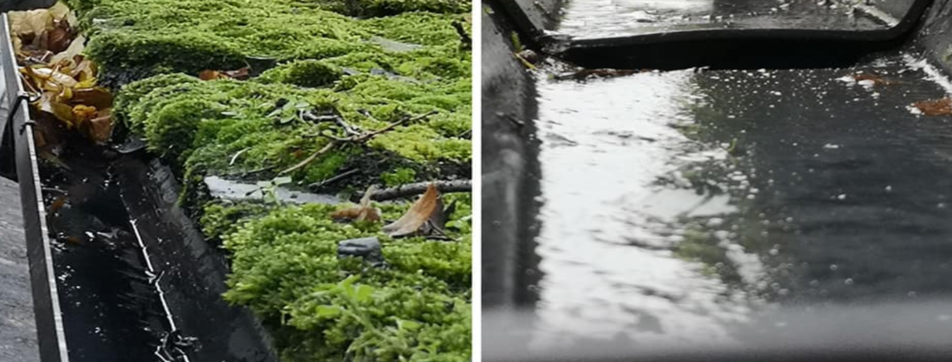
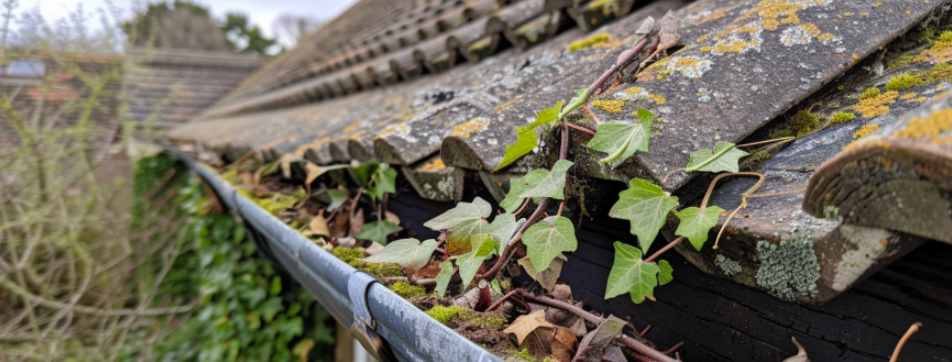
    Have you ever noticed plants or weeds sprouting out from your gutters? This is an indication that they are clogged with debris providing perfect living conditions for unwelcome guests to make themselves at home.

    2. Water overflow

    Is rainwater spilling over your gutters of flowing down the drainpipes? This overflow can occur when blockages stop the water drainage. If ignored, it could lead to leaks and damage to your roof, walls, and foundations.

    3. Stains on walls and fascias

    Excess water pooling in blocked gutters can trickle down and create marks on your walls and fascias (the boards beneath the roofs edge). These stains serve as a warning sign that your gutters require cleaning to prevent water-related issues.

    4. Drooping gutters

    Have you ever seen drooping guttering on a house? Gutters burdened with debris may become loose and start sagging. Not only does this dampen the appearance of your property, but it can also damage the fascia board and the gutter’s.

    5. Moist walls and musty smells

    Dampness on your walls or a musty odor permeating throughout your home could be a signal of blocked gutters. When water is unable to drain it can seep into walls leading to moisture and musty smells.

    Don’t Risk Water Damage! Get a Free Gutter Cleaning Quote Today.
    Get Your Free Quote Now

    Conclusion

    It’s important to maintain your homes gutters to prevent these problems. By staying vigilant and clearing them when needed you can ensure drainage preventing water damage and saving you money on repairs.

    Blocked gutters can lead to a range of issues, such as roof and foundation damage and attracting unwanted wildlife. Ignoring these problems could result in repairs that run into several thousand pounds.

    Investing in professional gutter cleaning services, which typically range from £90 to £225, can not only put a stop to these but also preserve the overall condition of your home.

    FAQ

    What are the signs that indicate my gutters need cleaning?

    You will need to clean your gutters if you see animals or pests around them. Also, if water spills over or gutters start to sag or bend, it’s time to have them cleaned. Staining on fascias and soffits shows they need a clean too.

    How can I tell if my gutters are clogged?

    Seeing plants or weeds grow in your gutters means they’re clogged. This can cause roof leaks, damp walls, and damage to the paint outside.

    What are the consequences of ignoring gutter maintenance?

    Not cleaning your gutters can cause serious issues. You might get cracks in the foundation, mould, and the boards around your roof (fascias and soffits) could rot. It’s important to clean your gutters to avoid these problems.

    How often should I clean my gutters?

    How often you clean your gutters depends on your home’s size, tree coverage, and local weather. Generally, cleaning them once a year in autumn once the leaves have fallen is a good idea.

    How we can help: If you need help with making sure your gutters are safe and working as they should, we offer professional gutter maintenance services including multi-level cleaning, thorough inspections, and debris removal. Contact us today on 07899 581 999 or send us a message to schedule an appointment and enjoy a peaceful mind knowing your gutters are in good hands.

    We offer gutter cleaning services throughout Burnley, Skipton, Clitheroe, & Colne