Tag: home improvement

  • What Are Seamless Gutters

    What Are Seamless Gutters

    Could seamless gutters be the key to preventing water damage in your home?

    These custom-made systems are designed to channel rainwater, with no joints or seams that could possibly leak in the future. Made from materials like aluminium or copper, they offer a blend of functionality and aesthetic appeal.

    But if you want to know what exactly sets them apart from traditional gutters, then keep reading. Because in this article, we will explore what makes seamless gutters different, how they impact maintenance and longevity, and why they could be the perfect solution for your home.

    Definition of Seamless Gutters

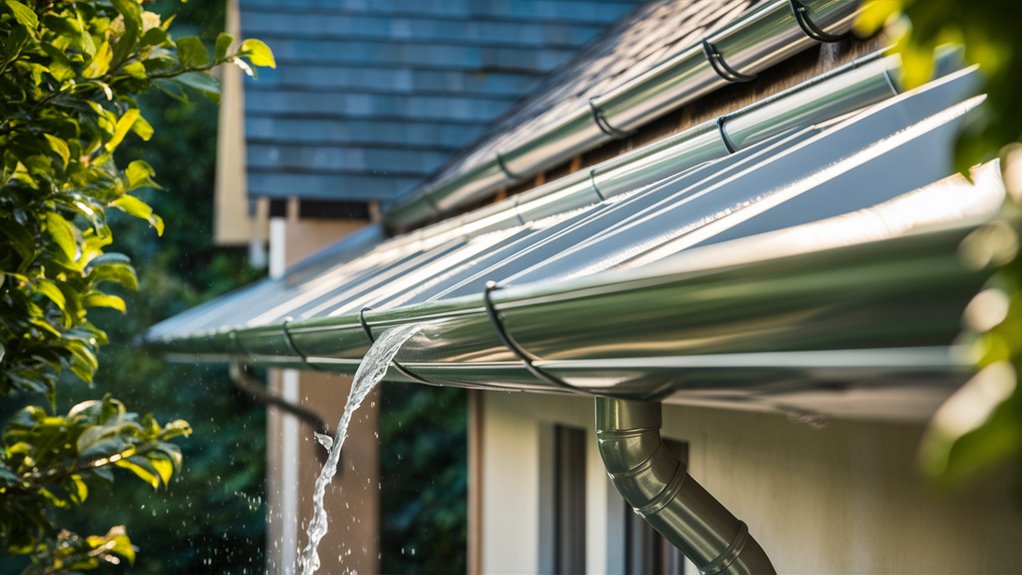
    Seamless gutters are a type of rainwater management system custom-made from a single piece of material, which means they don’t have joints or seams. This design is essential because it effectively eliminates joints, minimizing the risk of leaks and clogs that can damage your home.

    You’ll typically find seamless gutters made from materials such as aluminum, copper, zinc, or steel, with aluminum being the most popular due to its lightweight and corrosion-resistant properties.

    What sets seamless gutters apart is their ability to provide excellent water drainage while improving the aesthetic appeal of your home.

    They’re installed on-site, tailored to the exact dimensions of your property, which reduces waste and guarantees a perfect fit. This custom-made approach not only improves functionality but also contributes to a more polished look.

    the fewer joints in seamless gutters mean they require less maintenance compared to traditional sectional gutters. With proper care, they can have a longer lifespan, often exceeding 20 years, which makes them a smart investment for homeowners looking for durability and efficiency.

    Choosing seamless gutters means prioritizing both performance and design for your home.

    Don’t Risk Water Damage! Get a Free Gutter Cleaning Quote Today.
    Get Your Free Quote Now

    Benefits of Seamless Gutters

    Seamless gutters offer you a range of benefits that can really augment your home.

    With minimized leak points and a sleek design, they not only improve drainage efficiency but also boost your home’s aesthetic appeal.

    Plus, fewer seams mean less maintenance for you, allowing you to enjoy your home without the hassle of constant upkeep. sseamless gutters help prevent water damage by directing rainwater away from your home’s foundation effectively.

    Minimized Leak Points

    When it comes to protecting your home from water damage, minimizing leak points is essential. Seamless gutters are designed with this goal in mind, featuring joints only at corners and downspouts. This design greatly reduces the number of potential leak points compared to traditional sectional gutters.

    Here are some key benefits you can expect:

    • With seamless gutters, the risk of water leakage is minimized, protecting your home’s foundation and landscaping.
    • Fewer joints mean less maintenance; debris has fewer places to accumulate, reducing clogs and leaks.
    • Seamless gutters are made with custom measurements, ensuring a precise fit that decreases gaps, which could lead to leaks during heavy rainfall.
    • Typically, seamless gutters have a lifespan exceeding 20 years, thanks to their reduced vulnerability to leaks and structural weaknesses.

    Enhanced Aesthetic Appeal

    With their sleek and streamlined design, seamless gutters greatly augment your home’s aesthetic appeal. The lack of seams provides an elegant and cohesive look that suits both modern and traditional homes. This seamless construction not only improves overall curb appeal but also contributes to a polished appearance that’s hard to beat.

    Seamless gutters can be easily customized to match your home’s exterior, whether you prefer a classic or contemporary style. Available in various materials and colors, they blend seamlessly with your architecture, ensuring that your home looks its best.

    Plus, the smooth design minimizes the accumulation of debris, helping maintain that clean, attractive look over time. With fewer seams, you also reduce the risk of sagging and detachment, which keeps your gutter system looking impeccable.

    This durability means your gutters will continue to augment your home’s aesthetic appeal for years to come. Overall, choosing seamless gutters is a smart investment that not only protects your home but also elevates its visual charm.

    Your home deserves that sleek appearance, and seamless gutters deliver just that, boosting your curb appeal effortlessly.

    Reduced Maintenance Needs

    One of the standout benefits of seamless gutters is their considerably reduced maintenance needs. Unlike traditional sectional gutters, seamless gutters have fewer joints and seams where debris can accumulate, which means you’ll spend less time worrying about clogs and leaks.

    Here’s how seamless gutters save you from constant upkeep:

    Fewer Joints

    With fewer seams, there are fewer weak points, making them less prone to leaks.

    Streamlined Design

    The design minimizes the risk of sagging or detachment, reducing the need for repairs.

    Infrequent Cleaning

    You typically only need to clean them twice a year, unlike sectional gutters that may require more frequent attention.

    Durable Construction

    Their robust materials can last over 20 years with minimal maintenance, leading to long-term savings.

    Thanks to their efficient drainage capabilities and robust design, seamless gutters make your life easier.

    You’ll appreciate the reduced maintenance and the peace of mind that comes with a reliable gutter system.

    Types of Seamless Gutters

    Seamless gutters come in several types, each designed to meet different aesthetic and functional needs for your home.

    K-style gutters are the most popular choice, featuring a flat bottom with decorative edges that improve your home’s aesthetic appeal. They’re also easy to install.

    If your home has historic charm, half-round gutters might be the perfect fit, offering a trough-like shape that suits older architecture, though they can be prone to clogging.

    For commercial properties dealing with heavy rain and snow, box-style gutters are oversized, effectively managing larger volumes of water.

    When it comes to materials, seamless gutters are available in aluminum, which is the most common due to its balance of cost and durability.

    Copper gutters, known for their luxurious look and durability, add a unique touch to any home. If you need superior strength, steel gutters are a great option.

    You can opt for custom-made seamless gutters, allowing you to tailor the color and design to match your home’s style, improving overall curb appeal. Regular gutter cleaning is essential to maintain their effectiveness and prevent water damage to your home.

    Choose the right type to not only protect your home but also to elevate its appearance.

    Seamless Gutters vs. Sectional Gutters

    When choosing between seamless and sectional gutters, understanding their key differences can help you make an informed decision for your home. Here are some vital points to reflect on:

    1. Leaks: Seamless gutters minimize joints, markedly reducing the risk of leaks compared to sectional gutters, which have multiple seams.
    2. Maintenance: Seamless gutters require less maintenance and have a longer lifespan of over 20 years. Sectional gutters, on the other hand, are more prone to leaks, especially during heavy rain, leading to increased maintenance.
    3. Installation: Seamless gutters require professional installation, ensuring ideal performance. Sectional gutters can often be a DIY project, appealing to those on a budget, but may require additional tools and components.
    4. Cost: While sectional gutters are generally more affordable upfront, hidden costs for repairs and installation can add up over time. Choosing seamless gutters can help prevent water damage caused by clogged gutters, which can lead to leaks in ceilings.

    Ultimately, choosing seamless gutters can help prevent water damage with their durability and low-maintenance benefits.

    However, sectional gutters may appeal to those looking for a less expensive, easier installation option. Evaluate your needs, budget, and long-term goals to make the best choice for your home.

    Cost Factors for Seamless Gutters

    When considering seamless gutters, you’ll find that material pricing can vary considerably, impacting your overall budget.

    Installation costs also play an essential role, as they depend on factors like roof complexity and gutter length.

    However, don’t forget the long-term savings potential that comes with regular maintenance, which can make seamless gutters a smart investment.

    Material Pricing Variations

    Understanding material pricing variations is essential for anyone considering seamless gutters for their home. The materials used directly influence the overall cost of your gutters. Here are four key factors to keep in mind:

    Material Type: Aluminum is the most affordable option, averaging around £4 per linear foot, while zinc can cost up to £40 due to its superior corrosion resistance.

    Gutters Cost: Overall costs can range from £4 to £30 per linear foot based on the materials you choose.

    Custom Designs: If you need custom-made to fit specific shapes, expect notably higher initial investments due to specialized measurements and fabrication.

    Maintenance of Seamless Gutters: Regular upkeep typically costs between £120 to £230, which is often 10% to 25% less than maintaining sectional gutters.

    Keep in mind that installation costs can add an extra £3 to £25 per linear foot, depending on your roof’s size and complexity.

    Installation Cost Estimates

    Installing seamless gutters can vary greatly in cost, with averages ranging from £3 to £25 per linear foot. The primary factors influencing these installation cost estimates include material choice and the size of your roof.

    If you’re looking for an affordable option, vinyl seamless gutters are the most budget-friendly, at about £4 per linear foot. However, if you opt for premium materials like zinc, you might face costs as high as £40 per linear foot.

    Moreover, custom shapes or designs can increase your overall expenses, as these require additional fabrication. If your home has a larger roof, you’ll need more gutter material, which will greatly raise your total installation costs.

    It’s also important to take into account upfront costs beyond just the gutters; you should budget for cleaning services too. Average prices for cleaning seamless gutters typically range from £120 to £230, adding to your total investment.

    Long-term Savings Potential

    Seamless gutters not only offer efficient drainage but also present substantial long-term savings. Here’s how they can benefit you financially:

    While the initial installation cost ranges from £4 to £30 per linear foot, the overall savings from reduced maintenance and the prevention of water damage make seamless gutters a smart choice.

    They not only protect your home but also add to its value, making them a worthwhile investment for any homeowner.

    Materials Used in Seamless Gutters

    Choosing the right materials for your gutters can greatly improve their performance and longevity. When it comes to seamless gutters, aluminum is the most common choice. It’s lightweight, corrosion-resistant, and comes in various colors, allowing for easy customization to match your home’s aesthetic appeal.

    If you’re looking for something more durable, consider copper. Known for its timeless look, copper gutters can last over 50 years with proper maintenance.

    For those in areas with severe weather, steel offers superior strength, but keep in mind that it requires regular maintenance to prevent rust.

    If you want a premium option, zinc is worth considering. Valued for its longevity and self-healing properties, zinc gutters can last up to 80 years when properly installed.

    Ultimately, the materials you choose for your seamless gutters should reflect your climate and the overall style of your home.

    Each material has its own maintenance needs and aesthetic appeal, so weigh your options carefully to guarantee you make the best choice for your property.

    Installation Process Overview

    When you’re ready to install seamless gutters, the preparation phase is essential to guarantee everything runs smoothly.

    You’ll follow specific steps during the installation that include accurate measurements and secure attachment to your home.

    After installation, regular maintenance tips will help you keep your gutters in top shape for years to come.

    Preparation for Installation

    Preparing for the installation of seamless gutters is vital to guarantee a smooth and effective process. Here are some key steps:

    • Assess your home’s needs
    • Confirm accurate measurements
    • Consult a professional gutter installer
    • Plan for gutter guards

    Proper preparation also involves removing any existing gutter systems and cleaning the fascia boards. This guarantees that the new seamless gutters can be securely attached.

    Taking these steps won’t only improve the efficiency of the installation process but also contribute to the longevity of your gutter system. By addressing these vital elements, you’re setting the stage for a successful installation of seamless gutters that will protect your home effectively.

    Installation Steps Explained

    Installing seamless gutters involves a systematic approach to guarantee everything fits perfectly and functions effectively. Initially, professional installers take precise measurements of your home to assure the gutters are custom-made for peak water flow. This is essential, as any miscalculation can lead to drainage issues.

    The installation process begins with on-site fabrication using a professional-grade gutter machine. This equipment cuts the material continuously, minimizing seams and enhancing durability.

    Once the gutters are ready, experienced professionals secure them to the fascia boards with brackets, making sure to maintain the correct slope toward downspouts.

    The entire installation requires specialized tools and expertise, emphasizing the importance of hiring skilled installers for the finest results.

    Maintenance and Care Tips

    Regular upkeep is vital to avoid costly water damage. Aim for at least two years, ideally in spring and fall.

    During these checks, look for debris buildup, cracks, sagging, or loose fasteners. Cleaning your gutters is necessary to prevent clogs that can lead to water overflow, which might damage your home’s foundation or landscaping. The cost for professional cleaning typically ranges from £120 to £230.

    To keep maintenance manageable, consider trimming overhanging branches to minimize debris accumulation. This simple step can reduce how often you need to clean your gutters.

    If you prefer DIY cleaning, pressure washing can work, but remember to use lower pressure settings to avoid damaging the gutters. Regular cleaning is essential to safeguard your home from potential water damage caused by clogged gutters.

    Common Issues and Solutions

    Here are four key issues to watch for:

    1. Clogs: Debris can accumulate, leading to overflow and water damage to your home’s foundation.
    2. Leaks: Joints or seams, especially at corners and downspouts, may develop leaks, requiring immediate sealing to prevent further water damage.
    3. Sagging or Detachment: Improper installation or debris overload can cause gutters to sag or detach, necessitating a professional inspection to assess the situation.
    4. Rust and Damage: Significant rusting in metal gutters can indicate the need for replacement, as seamless gutters often require full system replacement for serious repairs.

    To combat these issues, regular inspections and cleanings are essential. Regular gutter maintenance helps prevent damp-related problems caused by overflowing water.

    By addressing these common problems early on, you can prevent costly repairs and make sure your gutters remain functional.

    If you notice substantial damage, don’t hesitate to call for a professional inspection to determine whether a replacement is necessary. Staying proactive protects your home from potential water damage.

    Choosing a Seamless Gutter Professional

    Maintaining seamless gutters is only part of the equation; choosing the right professional for installation or repairs is just as important. Start by prioritizing companies with extensive experience and a proven track record of successful installations. This guarantees you receive quality workmanship that meets your needs.

    Don’t forget to check customer reviews and ratings. Look for professionals with an A+ rating from the Better Business Bureau to gauge reliability and past client satisfaction.

    It’s also wise to request multiple quotes to compare pricing, services offered, and warranties on workmanship and high-quality materials.

    Make certain the professional uses durable materials like aluminum, copper, or steel, as these provide superior protection against harsh weather. Also ensure they follow proper safety precautions to protect themselves and your property during installation or repairs.

    Confirm that the company offers a satisfaction guarantee. This gives you peace of mind knowing any issues will be addressed promptly and effectively.

    Ultimately, investing time in choosing the right seamless gutter professional pays off. You’ll enjoy quality installation, long-lasting materials, and the assurance of customer satisfaction.

    Conclusion

    Seamless gutters offer a stylish and efficient solution for managing rainwater around your home. With their durability and minimal maintenance needs, they protect your foundation and improve your property’s curb appeal.

    Whether you choose aluminum, copper, or another material, investing in seamless gutters can save you time and money in the long run.

    How we can help: If you need help with making sure your gutters are safe and working as they should, we offer professional gutter maintenance services including multi-level cleaning, thorough inspections, and debris removal. Contact us today on 07899 581 999 or send us a message to schedule an appointment and enjoy a peaceful mind knowing your gutters are in good hands.

    We offer gutter cleaning services throughout BurnleySkiptonClitheroeColne, Preston & Keighley

    Explore our easy-to-use tool to calculate the cost of gutter cleaning for your property

  • Best Way to Clean Composite Decking

    Best Way to Clean Composite Decking

    Owning your own home comes with many advantages, but it also comes with many responsibilities. Maintaining your composite decking is one of them. The best way to clean composite decking is by pressure washing. Pressure washing is an effective way to remove dirt and stains from your garden decking.

    This powerful cleaning technique can bring back the beauty of your composite decking, increase its lifespan, and create a safe, welcoming area for your family and friends.

    In this article, we’ll explore the ins and outs of pressure washing decking. We’ll cover the unique properties of the materials, important steps to take before starting, and a detailed walkthrough of the pressure washing procedure.

    Need Your Decking Cleaning? Get Your Free Quote Now

    By following these expert tips and techniques, you can achieve professional-level results without the need for extensive scrubbing or harsh chemicals, making maintenance, not a walk in the park, but a whole lot easier.

    Materials & Benefits

    Composite decking is a modern alternative to traditional wood decking, offering a blend of durability and aesthetics. Lets take a closer look:

    • Material Composition: Typically made from a blend of wood fibres and recycled plastic, offering the best of both worlds.
    • Durability and Longevity: Resistant to rot, decay, insects, and fading making it a long-lasting choice that can have a lifespan of 20-30 years if looked after.
    • Weather Resistance: Can withstand harsh weather conditions.
    • Low Maintenance: Requires minimal upkeep – a simple cleaning with soap and water is all it needs. 
    • Aesthetic Appeal: Composite decking is available in a wide range of colors, textures, and styles

    Another great reason for choosing composite decking is that it is often slip-resistant, even when wet, making it a safer choice for outdoor spaces, especially around pools or patios. Also, many composite decking materials incorporate recycled plastic, reducing the demand for new materials and contributing to a more sustainable environment.

    When we look at the combined benefits of composite decking, it becomes more clearer to why it is such a popular choice for garden design.

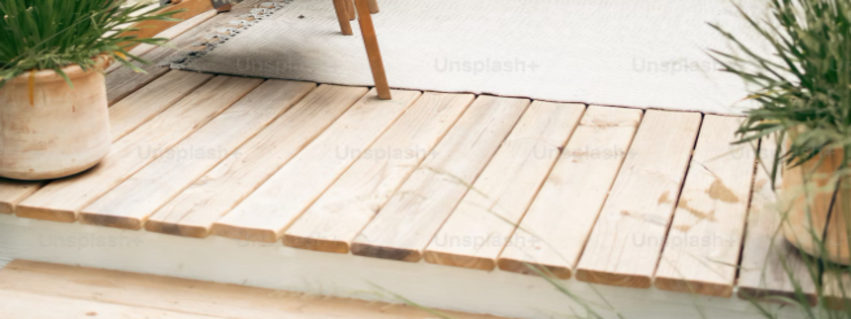
    garden decking

    You may also like: Can you pressure wash block paving?

    Pre-Rinse & Prepping

    Its important to realise at this point that preparation is key if you want to effectively wash and clean your garden decking.

    The first step is to clear the entire deck of furniture and objects that might interfere with the cleaning process. Next, use a broom or leaf blower to sweep away leaves, debris, and any excess dirt.

    Once you’ve cleared your path, it’s time to pre-rinse. Using a garden hose, spray water over the deck to prepare it for the soap. If using a pressure washer, its important you use the correct setting, keep it on the lowest and maintain a distance of at least 8 inches from the deck surface to avoid damage.

    For the cleaning solution, mix warm water with a mild dish soap or use a cleaner specifically designed for composite decking. As always, carefully follow the manufacturer’s instructions. Read more about how you can help prepare your area for pressure washing

    Technique & Tips

    As mentioned above, it’s important that you set the pressure correctly, typically not exceeding 3,100 pounds per square inch. The hose should be angled at 40 to 60 degrees. Before you start, be sure to consult both the power washer’s manual and the composite deck care instructions for specific settings.

    When washing, you should use a “sweeping” motion from left to right, starting from the house and moving towards the far side. This technique ensures thorough cleaning and prevents missed spots.

    Again, the pressure washer nozzle should never be closer than 8 inches from the deck surface to avoid damage. For best results, use a fan tip on the pressure washer. This tip distributes the spray evenly, reducing the risk of surface damage.

    Still unsure? Contact us for a free no-obligation quote

    Conclusion

    Pressure washing is a powerful way to keep your garden decking clean and safe. By understanding the unique properties and following the right steps, you can achieve some fantastic results.

    The best way to clean composite decking involves careful preparation, using the right cleaning solutions, and operating the pressure washer with the correct settings.

    When it’s all said and done, clean garden decking not only looks better but also lasts longer. Regular cleaning helps to prevent the buildup of mold, mildew, and other harmful substances that can shorten the life of your deck.

    By sticking to these guidelines, you can make sure your composite deck stays in top shape for years to come, giving you more time to enjoy your garden and less time worrying about maintenance.

    Thinking about pressure washing in the rain? Learn more

    FAQs

    Can I use a pressure washer on composite decking?

    You should avoid using a pressure washer with a setting higher than 3100 psi, and always keep the nozzle at least 8 inches away from the surface of the decking. High water pressure can cause the decking to splinter and sustain long-term damage.

    What is the most effective method to clean garden decking?

    A good approach is to mix soap with warm water in a ratio similar to what you would use for dishwashing. Use a deck brush to scrub the surface, applying enough pressure to effectively remove any dirt. Composite materials are quite durable and can handle vigorous scrubbing.

    Which nozzle should be used when pressure washing composite decking?

    For cleaning composite decking, you might want to use a 25-degree nozzle for tougher stains or a 40-degree nozzle for less soiled or newer decks. The higher the degree of the nozzle, the gentler the pressure on the decking.

  • Can You Pressure Wash Block Paving?

    Can You Pressure Wash Block Paving?

    Block paving is a popular choice for driveways, patios, and paths, known for its durability and attractive appearance. However, dirt, moss, weeds, and loose materials can gather, creating an unsightly and potentially hazardous surface.

    In this article, we’ll show you the proper techniques and equipment for effective block paving cleaning, so you can get the best results.

    Types of Block Paving

    There are two main types: concrete block paving and clay block paving. Concrete is affordable and lasts a long time. Clay gives a traditional and rustic look. Lets take a look at how each one is made:

    • Concrete block paving is made from cement, sand, and aggregates. It’s strong and lasts a long time. You can choose from a wide choice of colours and patterns.
    • Clay block paving uses natural clay, fired in a kiln for a hard surface. It looks textured and natural, perfect for traditional or heritage-style homes.

    Need Your Block Paving Washing?
    Get Your Free Quote Now

    Advantages of Block Paving

    Block paving offers a variety of benefits for various places. Its versatility, aesthetic appeal, and low maintenance make it a popular choice.

    Concrete and clay blocks are known for their strength and resistance to wear and tear, providing long-lasting performance.

    The wide range of colors, textures, and patterns available allows you to create unique and personalised outdoor spaces, also block paving is relatively easy to maintain requiring simple cleaning and weed control to keep it looking its best.

    The Need for Pressure Washing Block Paving

    If you have block paving, you will know it can get dirty and lose its colour over time. Things like moss and oil stains can cause permanent damage if not cleaned. Regular block paving maintenance and cleaning, is key to keeping it looking great and avoiding long-term problems.

    Pressure washing is a great way to clean block paving. It removes all the dirt and grime that makes the surface look dull and the process brings back the original colour and beauty making sure your outdoor space stays attractive, useful and safe

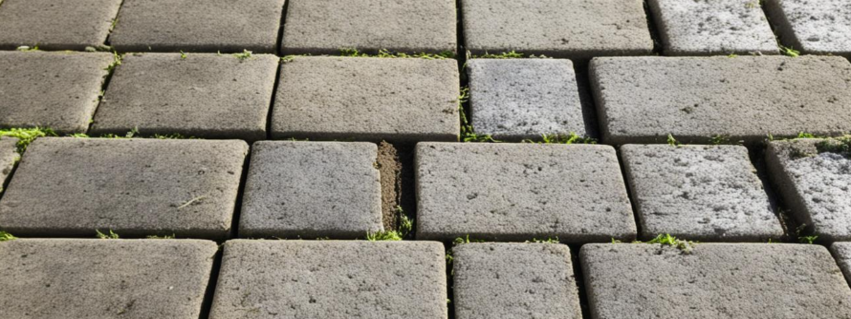
    shrub on block paving

    Preparing for Pressure Washing Block Paving

    Having a clean-up, protecting surfaces, and Identifying any stains or damage will help you prepare your area for a successful pressure wash. 

    Having a Clean up:

    Clear the area around your block paving to prevent debris from being blown away by the high-pressure water and sweep away any dirt and leaves that could interfere with the cleaning process.

    Protecting the Area:

    We have all heard that preparation is key, so remember to protect delicate surfaces such as plants, windows, and furniture by covering them with tarps or plastic sheeting. This will prevent damage and ensure a clean and safe cleaning experience.

    Identify Stains:

    By identifying any stains, you can help your pressure washing process in advance by knowing things like how much pressure to apply and any treatment that may help in the removal of the stain. 

    • Oil Stains: Dark, greasy patches.
    • Moss or Algae: Green or black patches.
    • Rust Stains: Reddish-brown spots.
    • Black Spots: Algae, mold, or other organic matter.

    By following these steps, you’ll ensure a smooth and effective pressure washing experience.

    For more detailed guidance on preparing your home for pressure washing, visit Learn more about how to prepare your home for pressure washing

    So far:

    Preparation Step Description
    Sweeping Sweep any loose dirt, debris, stones, or other materials from the block paving surface.
    Protect Areas/Objects Use plastic sheeting to help protect flowers, furniture or other delicate areas.
    Stain Identification Carefully inspect the block paving for stubborn stains, such as oil stains.

    The Pressure Washing Process

    Lets look at the steps you want to follow and show you how to do it safely and effectively.

    Step-by-Step Guide

    1. Clear the area of any debris, plants, or objects that could get damaged, sweep it up and put it in the bin
    2. Wear safety gear like goggles, gloves, and strong shoes.
    3. Follow the maker’s instructions to set up your pressure washer. Choose the right pressure and nozzle for your paving.
    4. Start washing the paving with a steady motion, moving from one end to the other
    5. Make sure to rinse well, getting rid of all dirt and grime from the blocks and their joints.
    6. If needed, add sand or grout between the blocks to keep them in place and stop weeds.

    You may also like: Can you pressure wash in the rain?

    Precautions and Safety Measures

    Its important that you take precautions to avoid damage and ensure safety when doing any exterior cleaning, especially when operating machinery and tools. Using the correct pressure setting plays a large part in preventing damage to your garden, also maintaining a safe distance from the surface helps avoid accidental splashes or injuries.

    Take a quick look over the surface you want to clean for loose or damaged blocks beforehand will prevent further deterioration. 

    Check the sand or cement, also known as grout that fills in the space around the block, overtime this can wear away so be sure to pack it back out to help your blocks stay secure and prevent them from wobbling loose.

    By following these steps and safety tips, you’ll master the art of pressure washing your block paving in no time.

    Still unsure? Contact us for a free no-obligation quote

    Conclusion

    Pressure washing is key to keeping your block paving safe and looking great. By using the right techniques and safety steps, you can get rid of dirt, moss, and other unwanted stuff and keep your outdoor area looking its best. Regular cleaning is a smart move that keeps your paving a source of pride for years.

    Pressure washing has many benefits. It will create that “new look” again and stops damaging elements from building up. With clean paving, you get a beautiful outdoor area that boosts your property’s look and makes you feel good!

    Whether you do it yourself or hire a pro, be careful and pay attention to the details. Prepare the area well, spot any stains or issues, and wash with care, this way, you get the best results and a beautiful block paving surface that lasts.

    FAQ

    What is block paving, and what are its main types?

    Block paving, also known as brick paving, is a popular way to make pavements or hardstandings look nice. There are two main types: concrete and clay block paving. Each has its own benefits.

    Why is regular maintenance, including pressure washing, important for block paving?

    Block paving can get dirty and lose its colour over time. Moss, oil stains, and debris can cause damage if not cleaned. Regular cleaning, like pressure washing, keeps it looking new and prevents damage.

    What are the key steps in preparing for pressure washing block paving?

    Sweep away dirt, debris, stones, and other bits to stop them getting thrown up by the pressure washer. Then, spot any oil stains and treat them with a special cleaner before washing.

    Can you safely pressure wash block paving, and what precautions should be taken?

    Pressure washing can clean block paving like a dream, but do it safely. Use the pressure washer at an angle and remove weeds and moss first. Always follow the maker’s instructions and be careful to avoid damage.

    What is the step-by-step process for pressure washing block paving?

    To pressure wash block paving, use a high-pressure water jet to clean off dirt and grime. Clear the area and wear protective gear then use your pressure washer in a steady motion, rinse well, and re-sand/grout the joints if needed.

  • How to Prepare Your Home for Pressure Washing

    How to Prepare Your Home for Pressure Washing

    We all know that over time, patios, driveways, composite decking, and other exterior surfaces can attract a build-up of dirt and grime. Apart from your home not looking its best, these build-ups can contribute towards a danger zone and can cause irreversible damage to your property. 

    This guide will help you prepare your home for a professional pressure washing service. By following these steps, you can make sure the clean you’ve been waiting for, runs as smoothly as possible.

    Key Takeaways

    • Assess your home’s exterior to identify areas that need attention
    • Check for loose or damaged materials that may require repair
    • Clear the area around your home, removing outdoor furniture and decor
    • Protect delicate surfaces, such as windows, plants, and landscaping
    • Prepare your home for a thorough, safe, and effective pressure washing

    Assessing Your Home’s Exterior

    Take a close look at your home’s exterior, checking windows and framework, brickwork and render, and any other areas that may need additional attention before pressure washing takes place. Unsure if what you find is a concern? Let us know and we will be more than happy to help. Just remember, these careful check-ups help you get ready for pressure washing and can stop further damage.

    Identifying Areas That Need Attention

    Start by taking a look at your home exterior closely. Look for signs of wear and tear, damage, or loose parts that need fixing before washing. Focus on areas often hit by the weather, like the roof, gutters, trim etc.

    Don’t Risk Slippy Surfaces! Get a Free Pressure Washing Quote Today.
    Get Your Free Quote Now

    Checking for Loose or Damaged Materials

    While inspecting for damage to your home’s exterior, keep an eye out for loose or damaged parts. This includes cracked paint, missing siding, or loose trim. Spotting these problem areas early lets you protect them during washing.

    Doing a thorough home exterior assessment before pressure washing prepares you and ensures the cleaning runs smoothly.

    How to Prepare Your Home for Pressure Washing

    Getting your home ready for pressure washing is key to a safe and successful clean. By focusing on a few important areas, you can reduce the risk of damage. This ensures the best results for your home.

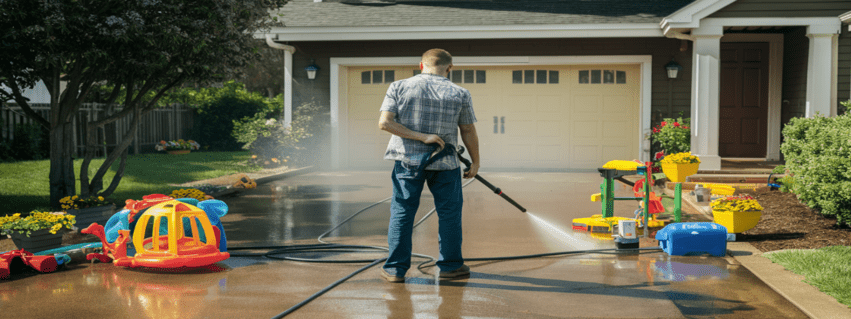
    First, clear the area around your home. Remove outdoor furniture, decorations, or other items that could get damaged. Keep these items in a safe place until the cleaning is done. Move all plant pots, children’s toys, gardening equipment, tables, chairs, and anything else that is in the area that you are having cleaned.

    Then, protect delicate surfaces on your home’s exterior. This includes windows, light fixtures, electrical outlets, and areas with cracked or damaged materials. Use tarps or plastic sheeting to cover these spots from the pressure washing.

    1. Look for any areas that need extra care. This might be stains, mildew, or tough buildup that needs pre-treatment or scrubbing before washing.
    2. Check for loose or damaged materials like cracked siding or missing roof tiles. Contact us to see if you need to fix these before pressure washing.
    3. Clear away leaves, twigs, or dirt that could be blown away by the high-pressure water and cause damage.
    Step Description
    1. Clear the Area Remove outdoor furniture, decorations, and other items that could be damaged by pressure washing.
    2. Protect Delicate Surfaces Cover windows, light fixtures, electrical outlets, and other vulnerable areas with protective coverings.
    3. Identify Problem Areas Inspect for stains, mildew, or other issues that may require pre-treatment or additional attention.
    4. Check for Damage Examine your home’s exterior for loose or damaged materials and make any necessary repairs.
    5. Clear Debris Remove leaves, twigs, dirt, and other items that could be propelled by the pressure washing.

    By preparing your home for pressure washing, you ensure a safe and effective clean. This protects your property and reduces the risk of damage.

    a patio with gardening tools, table, chairs

    Clearing the Area Around Your Home

    Getting your home ready for pressure washing is more than just moving a few things around. It’s vital to completely clear the area first for safety and efficiency. As mentioned, this means removing outdoor furniture, plants, and other items that could get damaged or block the way. This makes the area safe and easy for the pressure washing team to work and is key in preparing for the dream clean.

    Protecting Delicate Surfaces

    When pressure washing your home’s exterior, it’s key to protect delicate surfaces. This includes windows, doors, and landscaping that could get damaged by the high-pressure water. Make sure to cover or shield these areas to keep them safe.

    Here are some tips to protect delicate surfaces while pressure washing:

    • Identify and cover all windows, doors, and other glass surfaces where necessary to prevent them from being scratched or shattered by the high-pressure water.
    • Use tarpaulins or plastic sheeting to shield any landscaping, such as plants, shrubs, or flower beds, that could be damaged by the pressure washing.
    • Protect any outdoor light fixtures, electrical outlets, or other sensitive areas by covering them with weatherproof materials.
    • Ensure that any areas with loose or damaged materials, such as siding or trim, are properly secured or repaired before pressure washing.

    By following these steps, you can keep your home’s delicate surfaces safe. This helps ensure a successful and safe pressure-washing experience.

    Delicate Surface Recommended Protection
    Windows Cover with plastic sheeting or tarpaulin
    Doors Cover with plastic sheeting or tarpaulin
    Landscaping Cover with a tarpaulin or move plants/shrubs to a protected area
    Outdoor Lighting Cover with weatherproof materials
    Loose or Damaged Materials Repair or secure before pressure washing

    Conclusion

    Getting your home ready for pressure washing is key to a safe and effective clean. Start by checking your home’s exterior and clearing the area around it. First, look at your home’s exterior and see what needs extra care.

    Remove all outdoor furniture and decorations. It’s also vital to cover delicate surfaces like windows to protect them from the strong water pressure. By doing these steps, you’re setting your home up for a smooth pressure wash.

    FAQ

    What should I do before a pressure washing service arrives?

    Before the pressure washing team comes, clear the area around your home. Remove outdoor furniture, plants, decorations, and other items that could obstruct the job. Identify and protect delicate surfaces like windows, doors, and landscaping from the high-pressure water.

    How do I protect delicate surfaces during the pressure-washing process?

    To protect delicate surfaces, cover or shield them from the high-pressure water. Tape or cover windows, doors, and other sensitive areas to prevent damage.

    What should I look for when assessing my home’s exterior before pressure washing?

    Inspect your home’s exterior for signs of wear, damage, or loose materials on the siding, windows, trim, and other areas. This helps you know what areas need extra care or protection during pressure washing.

    How can I ensure the pressure washing service is effective and safe?

    To make sure pressure washing is effective and safe, you should prepare your home’s exterior. Clear the area, protect delicate surfaces, and fix any problem spots. This lets technicians work well without any obstruction.

    What are the key steps to getting my home ready for pressure washing?

    The main steps to prepare your home for pressure washing are: 1. Check your home’s exterior for areas needing attention or protection. 2. Clear the area by removing outdoor furniture, decor, and other items. 3. Protect delicate surfaces like windows, doors, and landscaping from damage. 4. Fix any problem spots or loose materials for safer cleaning.